Why You Should Print Your Photos
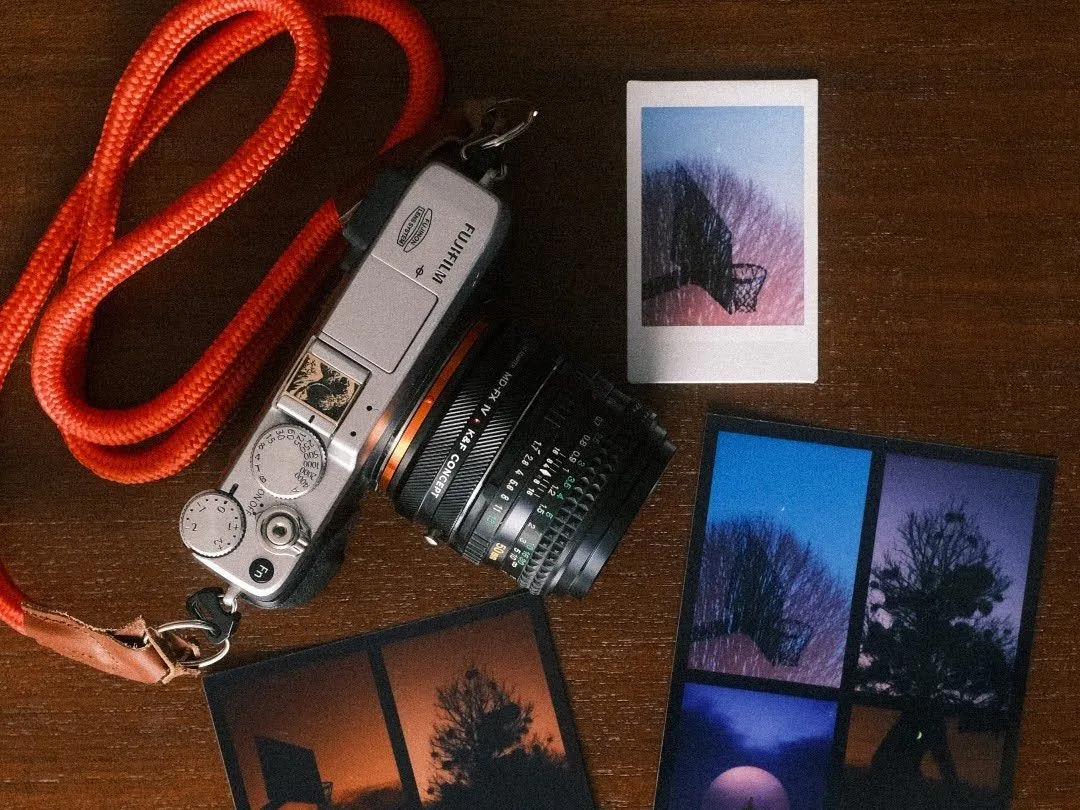
A few weeks ago, I went for a walk in my childhood hometown with my X-E1, a camera I have since 2013.
My Fujifilm X-E1 is slow, basic, and beautifully limited. I paired it with a vintage Minolta Rokkor 50mm f/1.7 lens and spent the evening shooting manual double exposures. The camera only allows two exposures max. The focus peaking is rudimentary. Everything takes time.
And somehow, that's exactly what made it exciting.
When I got home, I printed one of the double exposures on my Instax Mini Link. Just to hold it. To make it real.
That small act reminded me why I started shooting in the first place. And it inspired this post.
We live in a world that moves too fast. Our phone galleries hold thousands of photos from the last few years alone. Most of them, we'll never see twice.
In that context, printing feels almost radical. It is slow and deliberate, and it makes a photo real.
Digital overload
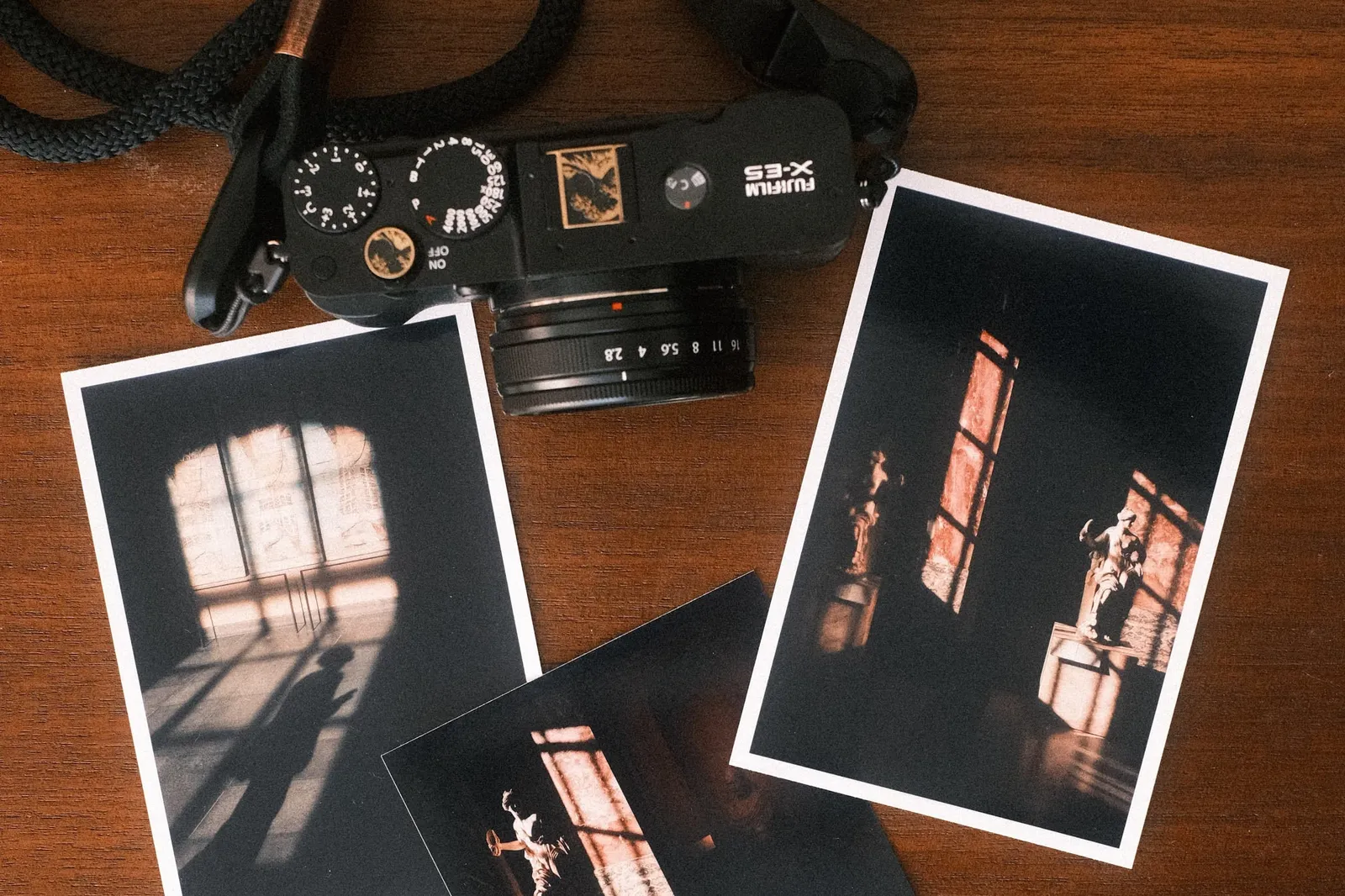
In 2026, we're drowning in images. AI-generated content floods every platform. Our camera rolls hold thousands of files we'll never look at again. The average time someone spends on a photo in a social feed is measured in seconds, if they pause at all.
I felt this acutely at the end of 2025. I had gigabytes of files on hard drives and cloud storage, but I couldn't remember most of them. They existed, technically, and that was about all.
Digital files are fragile in a different way than paper. They don't fade, they just disappear. A corrupted drive, a cancelled subscription, a forgotten password, and it's gone.
There's also the problem of abundance. When you can keep every photo you have ever taken, it gets harder to care about any of them in particular.
Printing forces a choice. Which image deserves to be physical? That question alone changes how you see your work.
What changes when it's physical
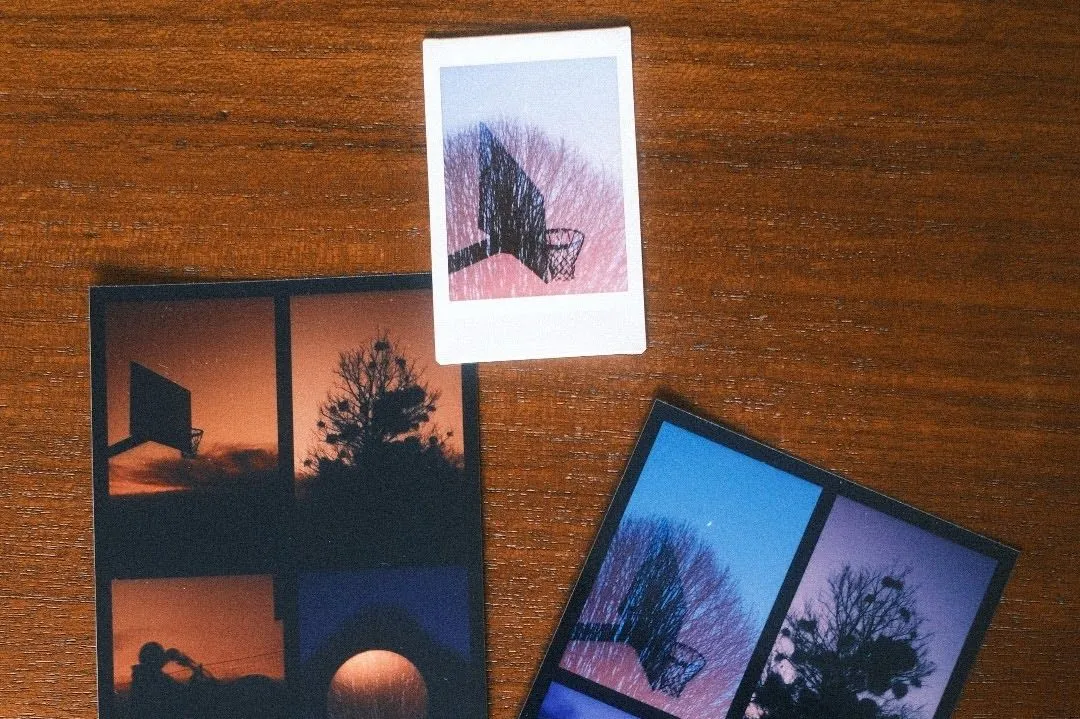
A printed photo feels different. It has weight and texture. You can hold it, turn it, gift it to someone.
That double exposure I printed on a small instax mini? It's on my desk now. I see it every day. It's become part of my space in a way a file on a hard drive never could.
Sharing prints creates a kind of connection that a post doesn't. No algorithm decides who sees it, no notification competes for attention. You hand someone a photo, and for that moment you're both fully there.
I've started giving prints as gifts to friends and family. It says: this moment mattered enough to make it real.
The barriers, and why they're smaller than they look
Printing sounds nice in theory, but it feels expensive, complicated, or like just another thing to do.
Affordable options exist. An Instax Mini Link printer costs less than a nice dinner and produces instant prints from your phone. Online services let you order professional-quality prints delivered to your door for a few euros each.
And you don't need to print everything. That's the point. Pick one photo from the month, the one that means something, print it, and see how it feels.
What worked for me was starting small, with postcard size from a Canon Selphy, and choosing deliberately rather than printing at random. I try to print at least one photo per photography set now, which has turned into a moment to pause and look at what I made. This year I also promised myself I would make my first photo zine, and working in a new format has pushed me more than single prints do.
The point of all this is less the objects than the pace: printing slows you down and makes you engage with your own work again.
Looking ahead
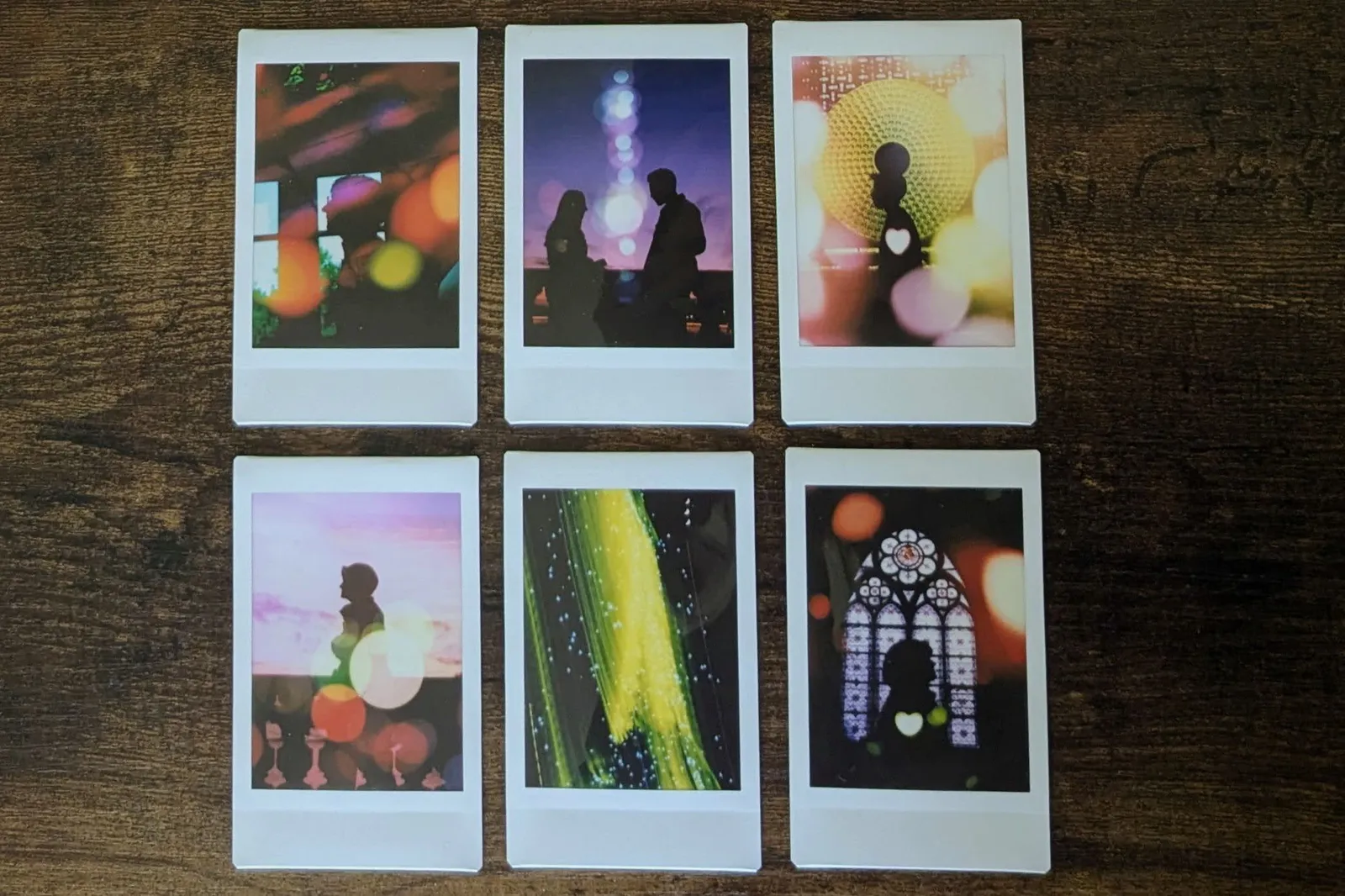
I think we're at a turning point. As AI floods our feeds with synthetic images, the handmade gets more valuable, because a printed photo says a human made this and cared enough to put it in the world.
I'm printing more in 2026. More single prints. A zine for the first time. Maybe some other explorations. I still shoot digital and still share online, but I want some of my work to exist beyond screens.
And I don't think I'm alone in this. The vinyl revival, the return of film cameras, handwritten letters and postcards making a comeback: there's a hunger for things we can touch, and photography should be part of that.
Conclusion
Printing won't save the world. It's a small act, but small acts accumulate, and they shape how you experience your own creativity.
That instax mini of my double exposure is just one photo. But every time I see it on my desk, I remember that evening, the camera that has been with me for more than 10 years, and the feeling of not rushing.
Help me keep writing
If these articles are useful to you, have a look at what I make.
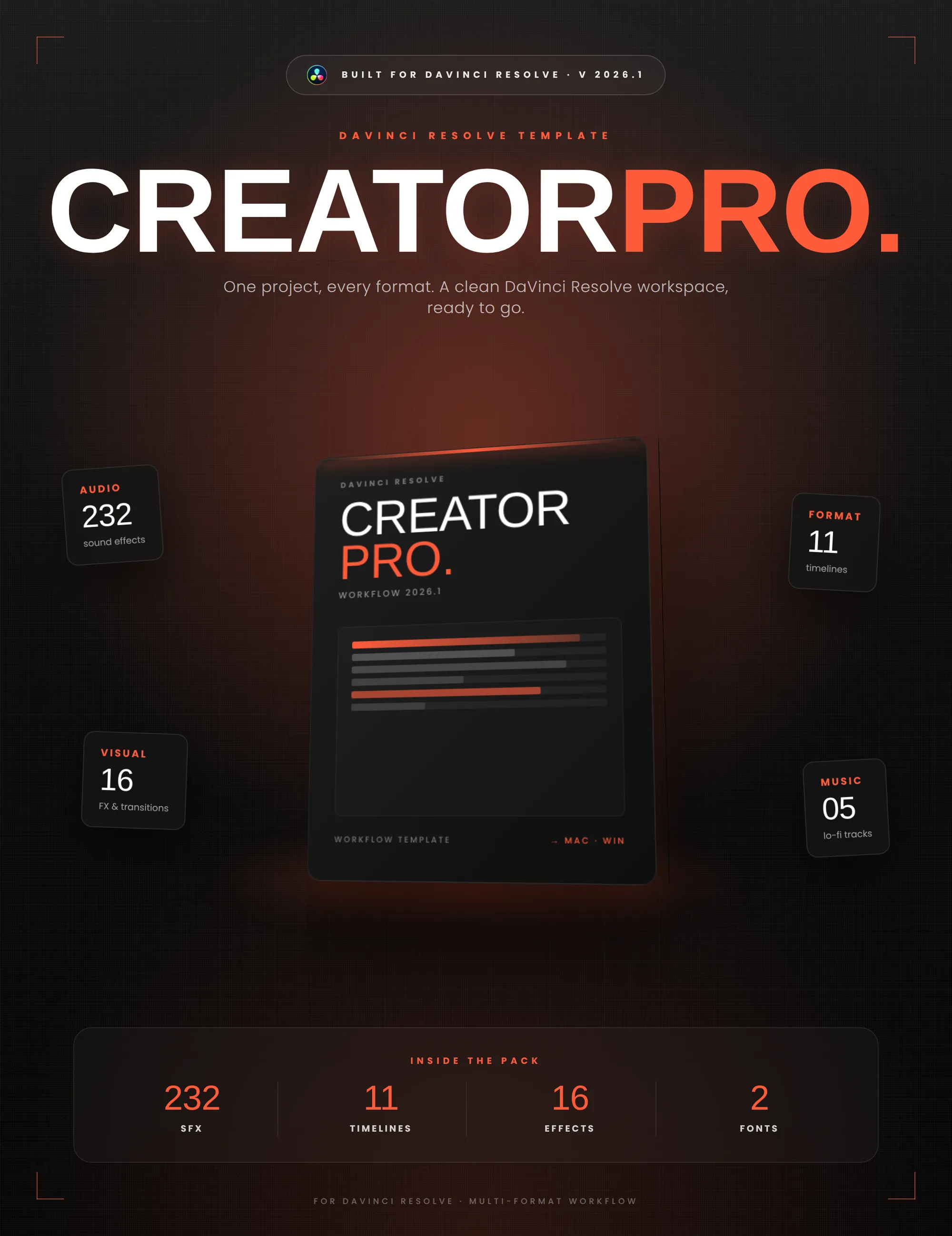
Creator Pro
The ultimate DaVinci Resolve workspace for creators
View plugin — €29.00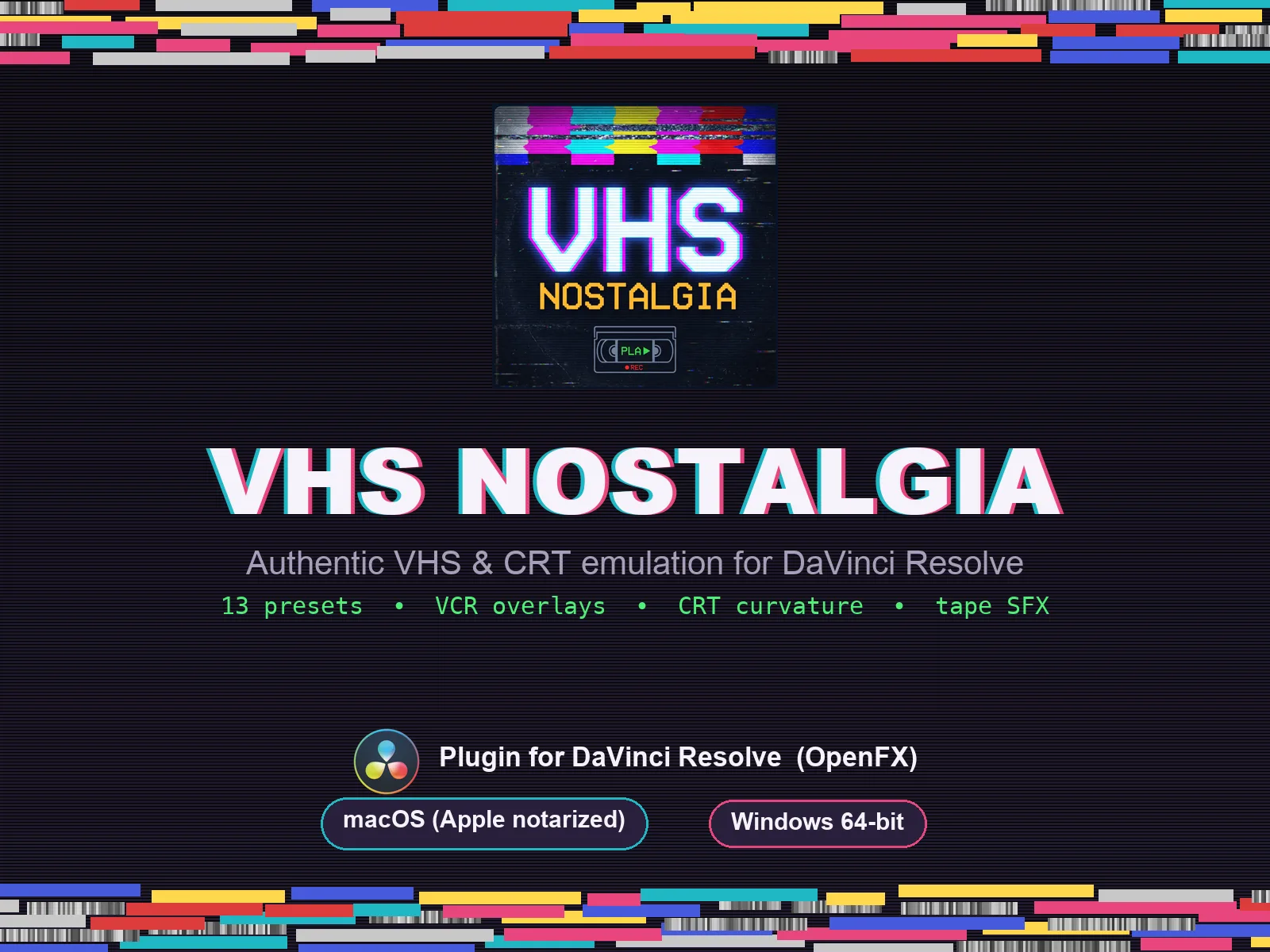
VHS Nostalgia
Real VHS & CRT emulation for DaVinci Resolve
View plugin — €39.00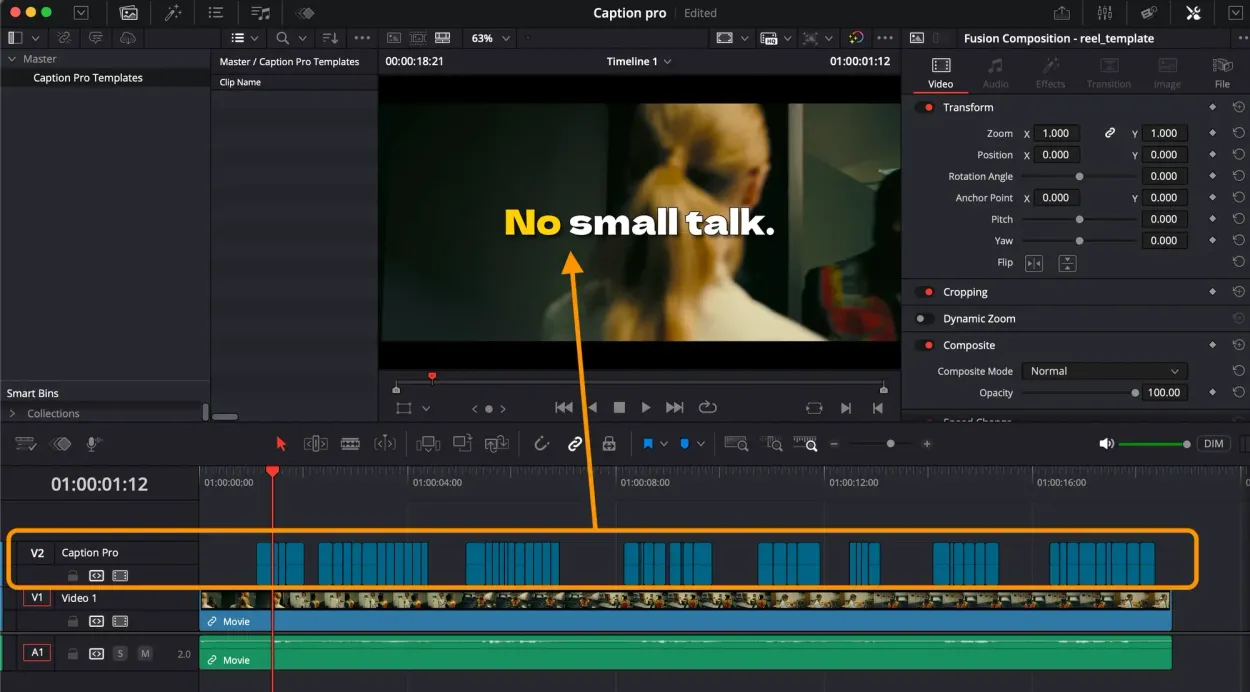
Caption Pro
Automatic word-by-word captions and translation for DaVinci Resolve
View plugin — €29.00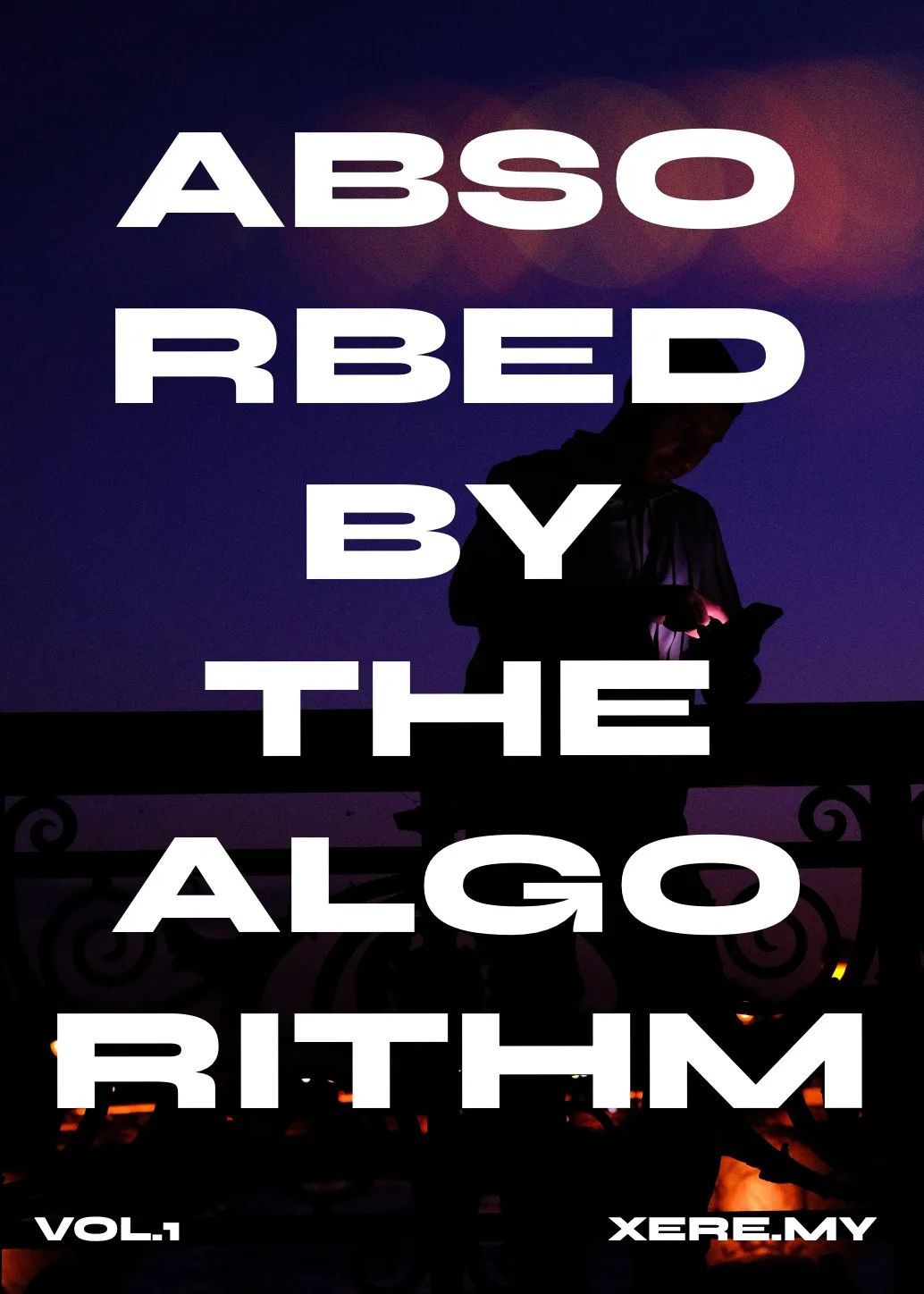
Get the zine
"Absorbed by the algorithm Vol. 1": 33 images shot in Paris, 28 pages, shipped worldwide.