How I Made My First Photography Zine
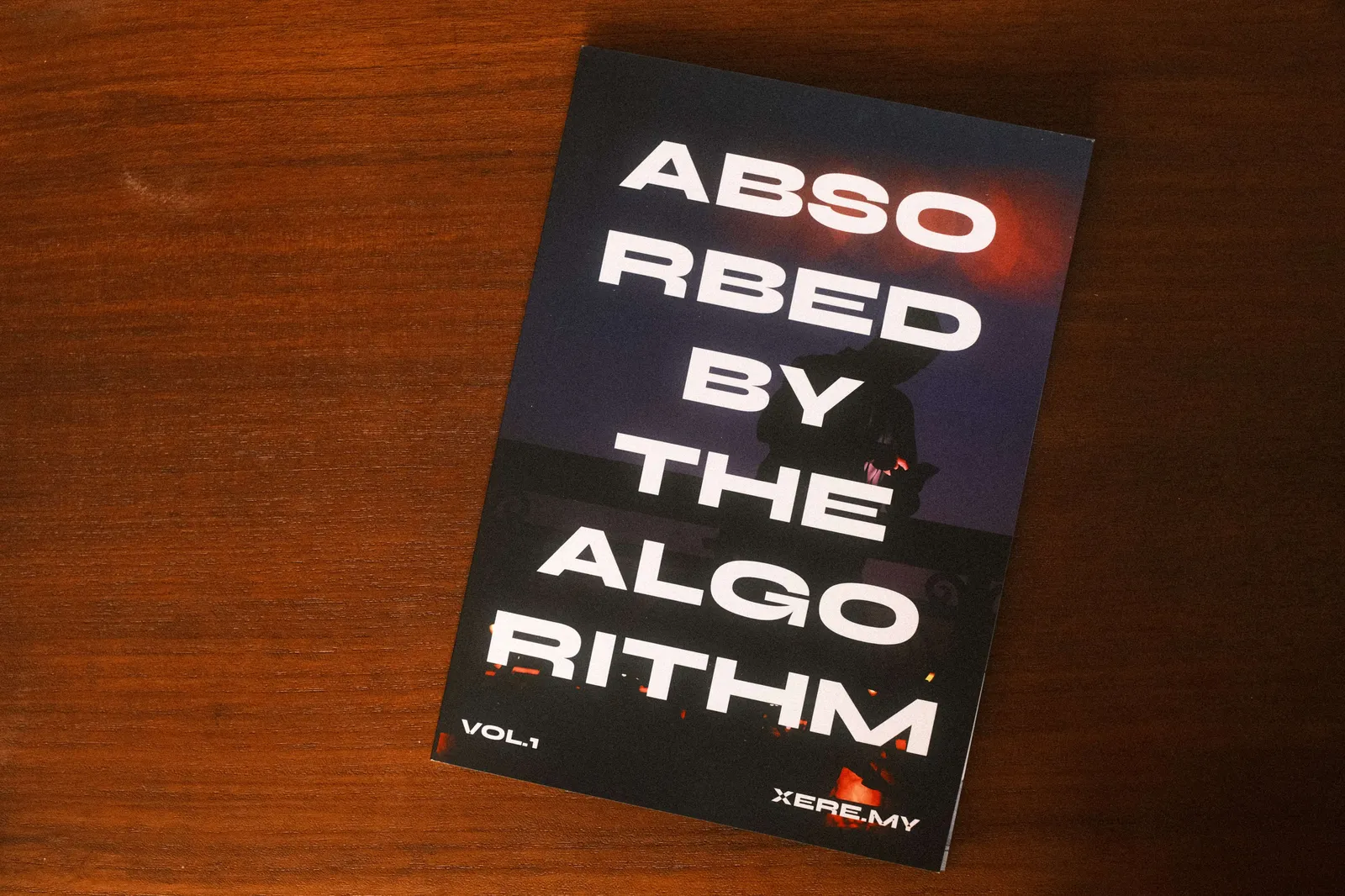
Our photos live mostly on screens now, and I wanted to know what happens when you bring them into the physical world.
For me, that question led to my first zine in early 2026.
If you're not familiar, a zine (for "photozine" or "magazine") is a self-published, DIY booklet. It can be anything: photos, drawings, essays, poems. Zines have roots in punk and sci-fi fandoms, but they've found a natural home in street photography. They're raw, accessible, and free from the gatekeeping of traditional publishing.
What I love about zines is that they force structure. Unlike posting random shots online, a zine demands curation: a theme, a sequence, something that holds together. That is what turns a folder of files into an object.
This post is about how I went from casual printing experiments to creating my first zine, step by step. If you've ever thought about making one yourself, maybe this will help you start.
How the printing habit started
Before the zine, there was printing.
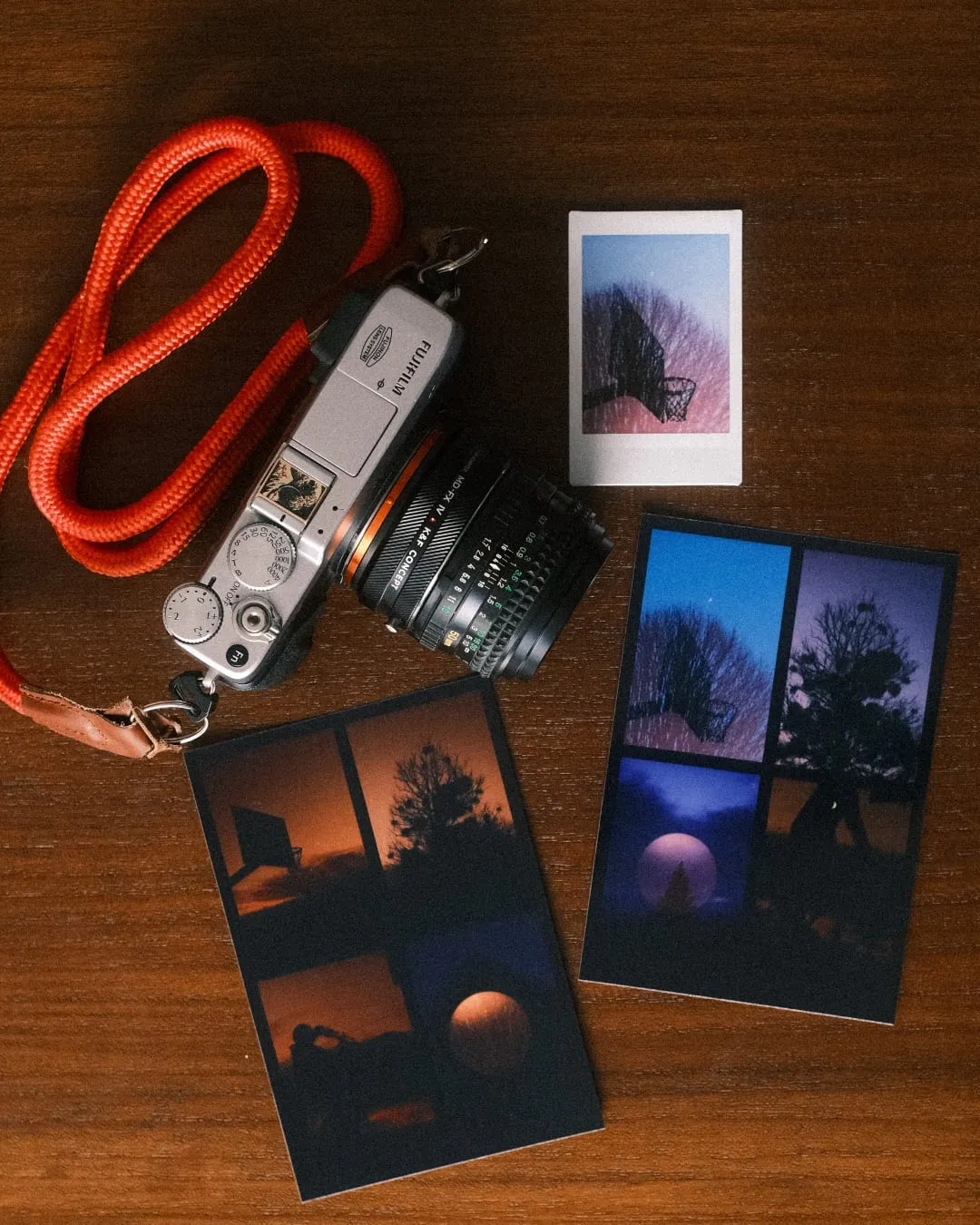
In 2025, I built the habit of making photos physical. It started with my Instax Mini Link. It was fun, instant, almost like holding trading cards.
Later, I added a Canon Selphy CP1500 to my setup. It's not professional-grade but for personal use, I'm genuinely happy with the results. Over the course of 2025, I printed over 100 photos. Many became gifts for friends and family.
What surprised me was how printing changed my relationship with my work. I started asking: Which of these deserves to exist physically? That question also helped sharpen my eye.
By the end of the year, I knew I wanted to push further. Not just single prints but something more structured. That's when the zine idea started forming.
Why a zine?
Single prints are satisfying. But they're fragments. A zine is a complete thought.
What appealed to me was the discipline it requires. You can't just dump your favorites into a booklet. You need a theme. A story. Photos that talk to each other across pages.
Zines are also wonderfully democratic. You don't need a publisher. You don't need a gallery. And nowadays, with print-on-demand services, you can produce small runs affordably and share your work with the people you care about.
The theme: "Absorbed by the Algorithm"
The theme chose itself.
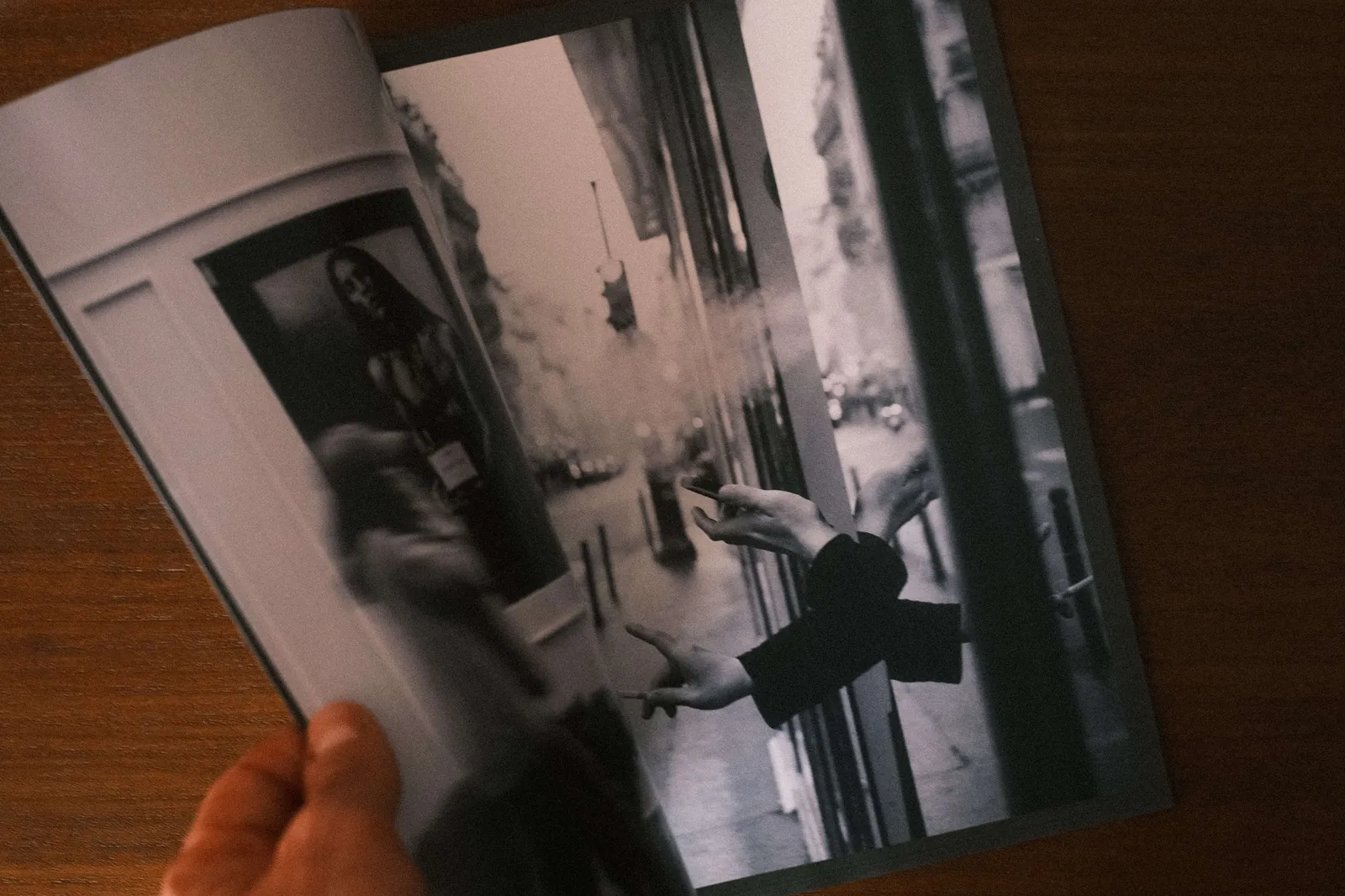
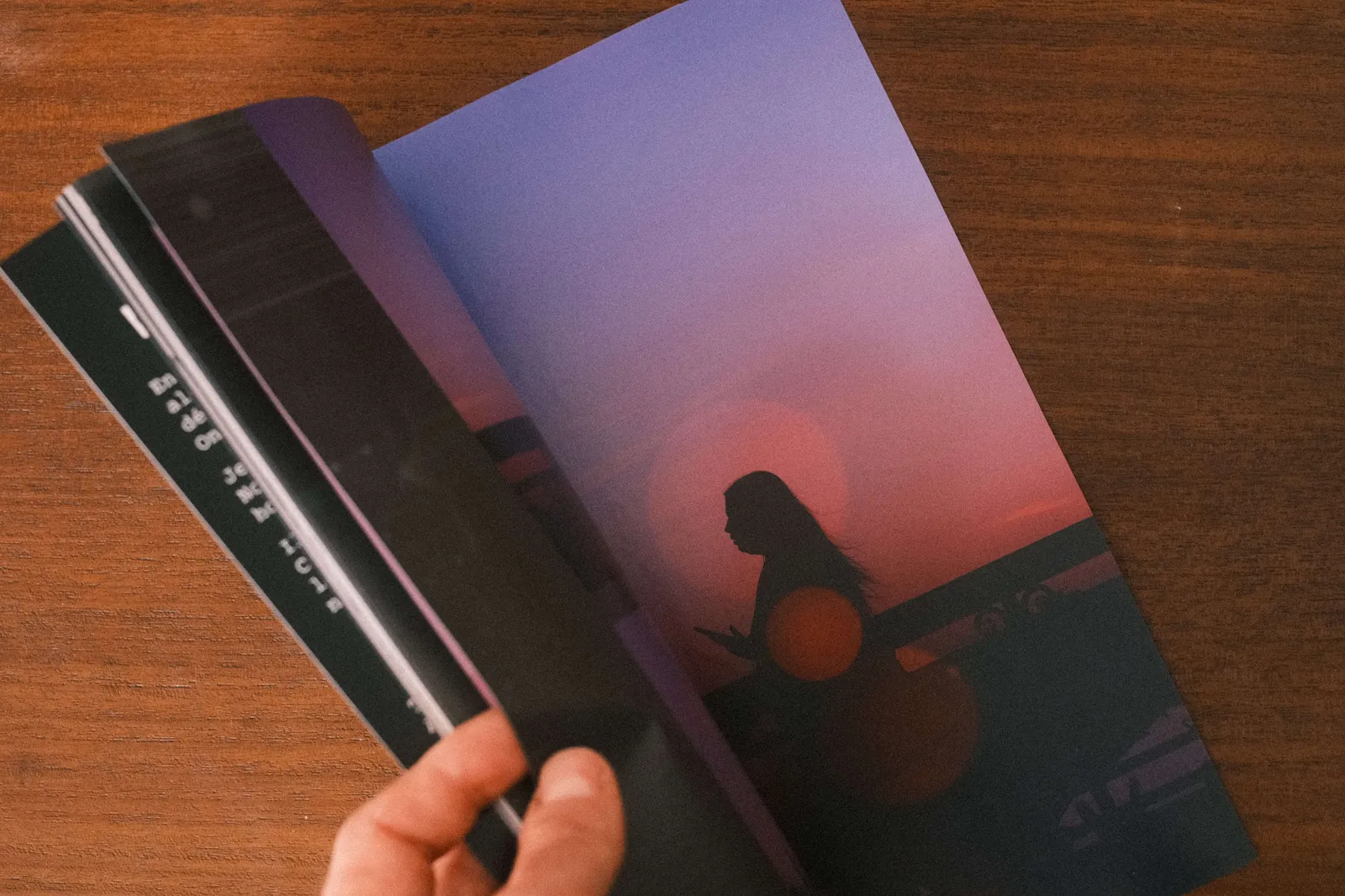
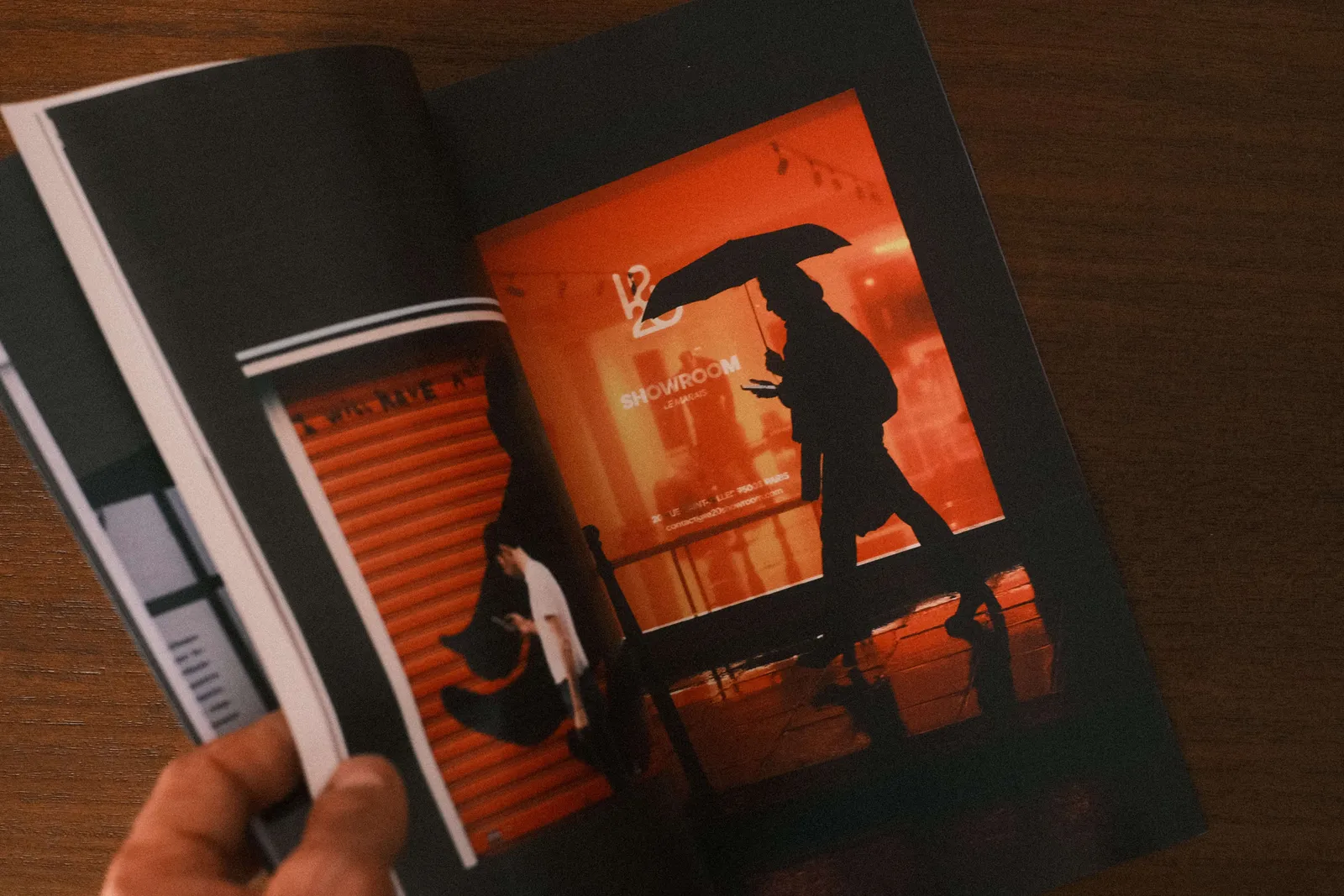
Throughout 2024 and into 2025, I kept attracted by this theme on Paris streets: people completely lost in their phones. Waiting for the metro. Sitting on benches. Walking without looking up. Absorbed by the algorithm.
It's not a judgmental series, I've been that person too. We all have. It's simply an observation of how screens have become extensions of ourselves.
I'm not the first to explore this. Many photographers and artists have documented similar themes. But every city, every eye, every moment is different. This was my take : just shots from Paris, straight out of camera, no edit or post-processing.
The series had been sitting in folders and in the cloud for months. A zine gave it a reason to exist as a whole.
Curating the photos
This was harder than I expected.
I started by reviewing everything I'd shot on this theme over two years. Eliminating the weak shots, the redundant compositions, the images that didn't hold up on a second look.
Then came the linking. How do these photos flow together? What's the rhythm? Where are the pauses?
I ended up with 3" photos for a 28-page layout.
One decision I debated: color or black and white? My shots were a mix. Some days I shoot with Fujifilm's ACROS simulation (monochrome), others with Classic Negative or Velvia (color). In the end, I kept both. It felt authentic. What you see in the zine is what I saw through the viewfinder.
No editing. No Lightroom. Just the photos as they were captured.
Designing the layout
For the design, I used Affinity Publisher. It's intuitive, powerful, and (since Canva acquired Affinity) now free.
I won't pretend the process was smooth. There were numerous back-and-forths, and adjustments. But the software made it manageable. From importing the photos, the arrangement, to exporting to PDF.
My advice if you're starting: keep it simple. A zine doesn't need elaborate design, it needs clarity.
If learning complex layout software feels like too much of a hurdle to start, you can fold an entire booklet from just one A4 sheet at home. I wrote a step-by-step guide to making a one-sheet zine and built FotoZine Lab, a free browser tool that automatically handles the page imposition for you.
Printing and sharing
With the PDF ready, I uploaded it to Peecho, a print-on-demand service that specializes in photo books and zines. They manufacture locally depending on where your buyer is, which means faster shipping and lower environmental impact.
I ordered a test copy first. When it arrived two weeks later, I noticed a few things that needed fixing, the black backgrounds weren't printing as deep as I wanted, and some fonts weren't rendering correctly.
I reached out to the Peecho team, and we worked through the issues together. They were responsive and helpful, and we solved everything quickly. They even offered to reprint the corrected version at no cost, which I wasn't expecting. That kind of support matters when you're figuring things out for the first time.
I've now integrated Peecho's buy button into my website, so anyone can order a copy. I also printed a few extras as gifts for family and close friends.
Get your copy of the zine
"Absorbed by the algorithm Vol. 1" is now available for print. My first photo zine: 33 images from Paris, 28 pages. Shipped worldwide.
What I learned
Making a zine taught me things that posting online never did:
Curation matters. When space is limited, every photo has to earn its place.
Sequence is storytelling. The order of images changes how they're experienced.
Physical objects create connection. Handing someone a zine you made is different from sharing a carrousel.
And maybe most importantly: you don't need permission. The tools exist. The barriers are low. If you have a series that means something to you, you can make it real.
What's next
This won't be my last zine. The process was too satisfying to stop.
I'm already thinking about what comes next, maybe a different theme, a different city, a different format.
If you're a photographer sitting on a series that deserves more than a hard drive, I'd encourage you to try this. Start small. Keep it simple. See what happens when your work becomes something you can hold.
The zine is now available on my website if you'd like to grab a copy: Order a print copy here.
Help me keep writing
If these articles are useful to you, have a look at what I make.
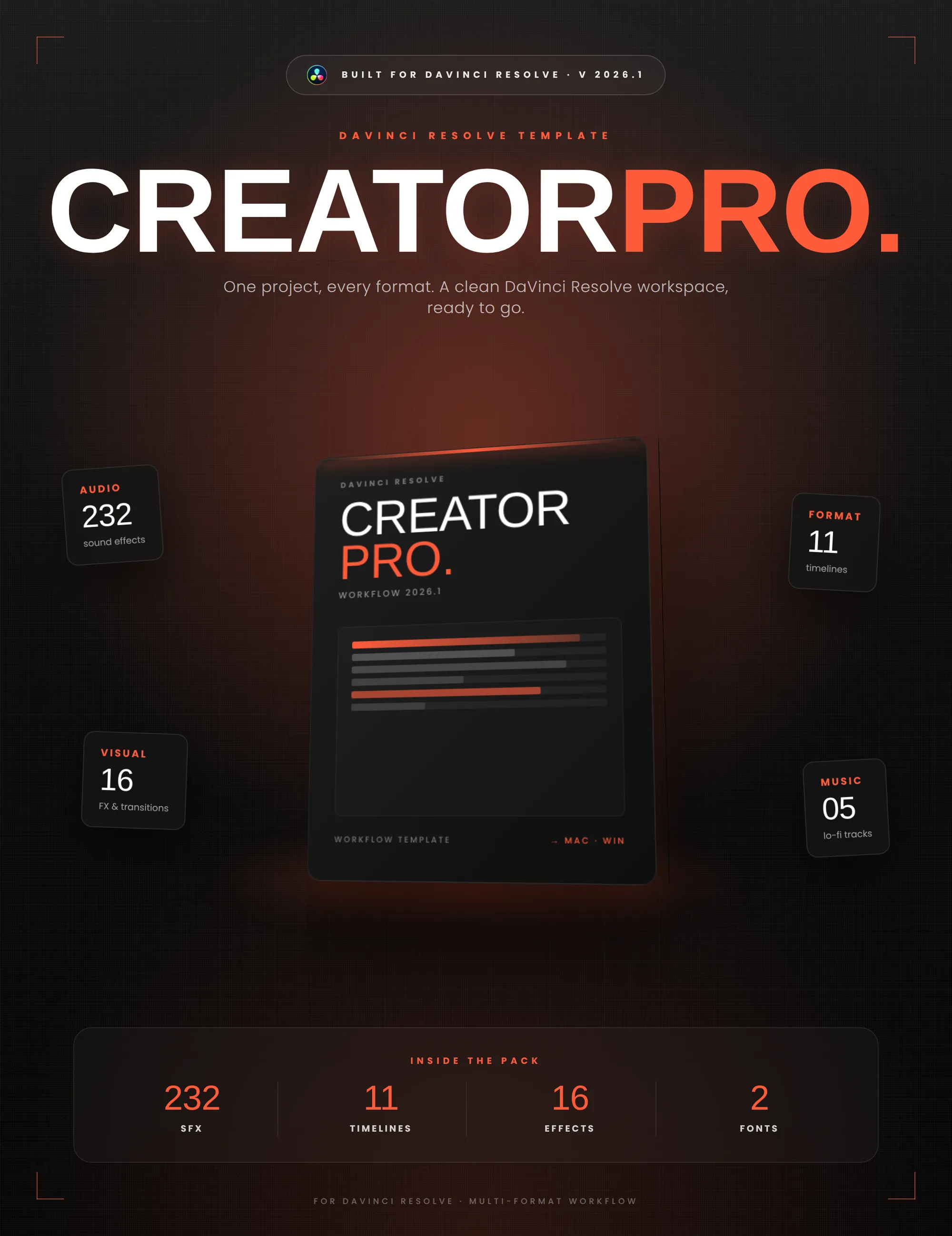
Creator Pro
The ultimate DaVinci Resolve workspace for creators
View plugin — €29.00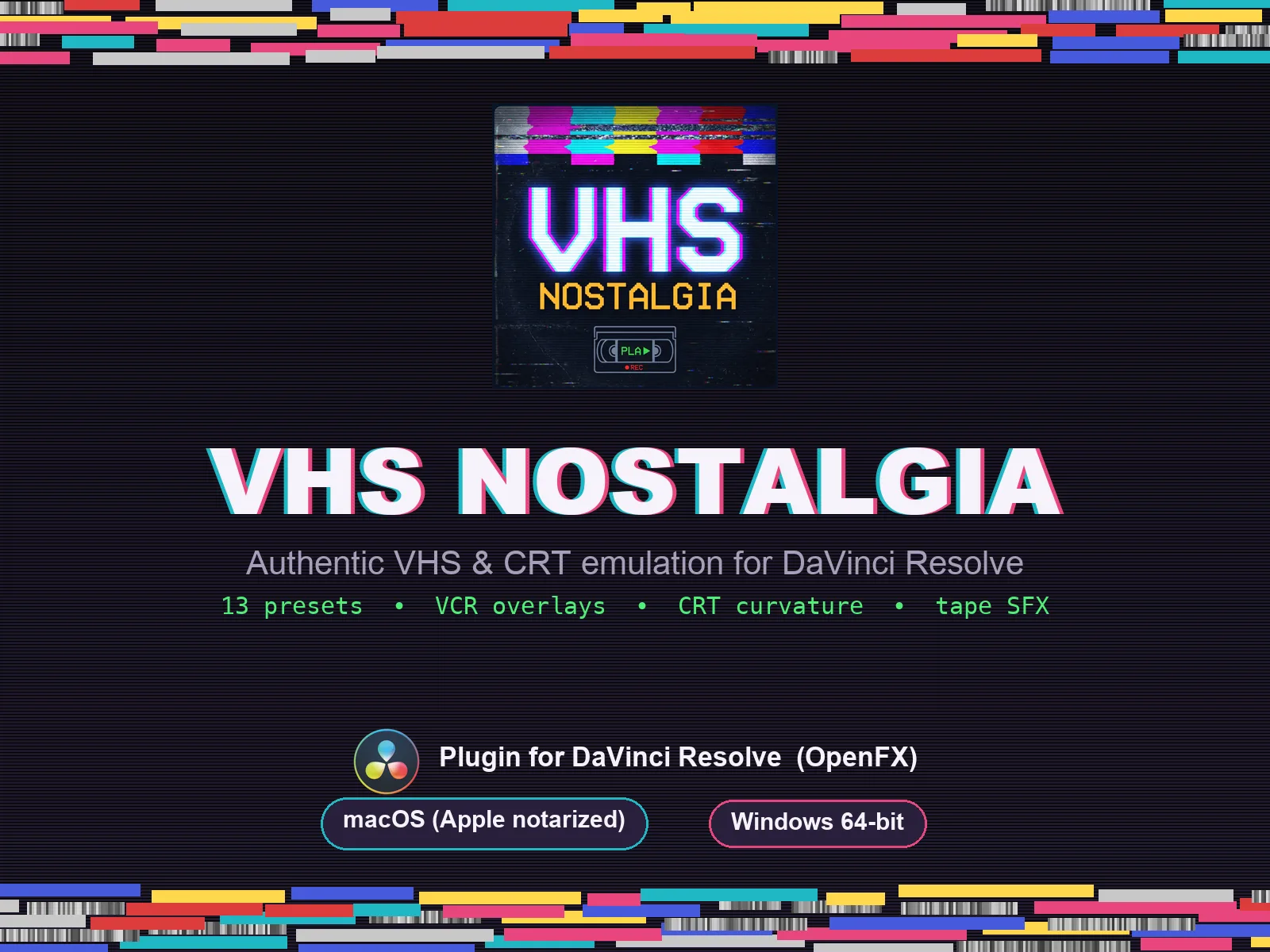
VHS Nostalgia
Real VHS & CRT emulation for DaVinci Resolve
View plugin — €39.00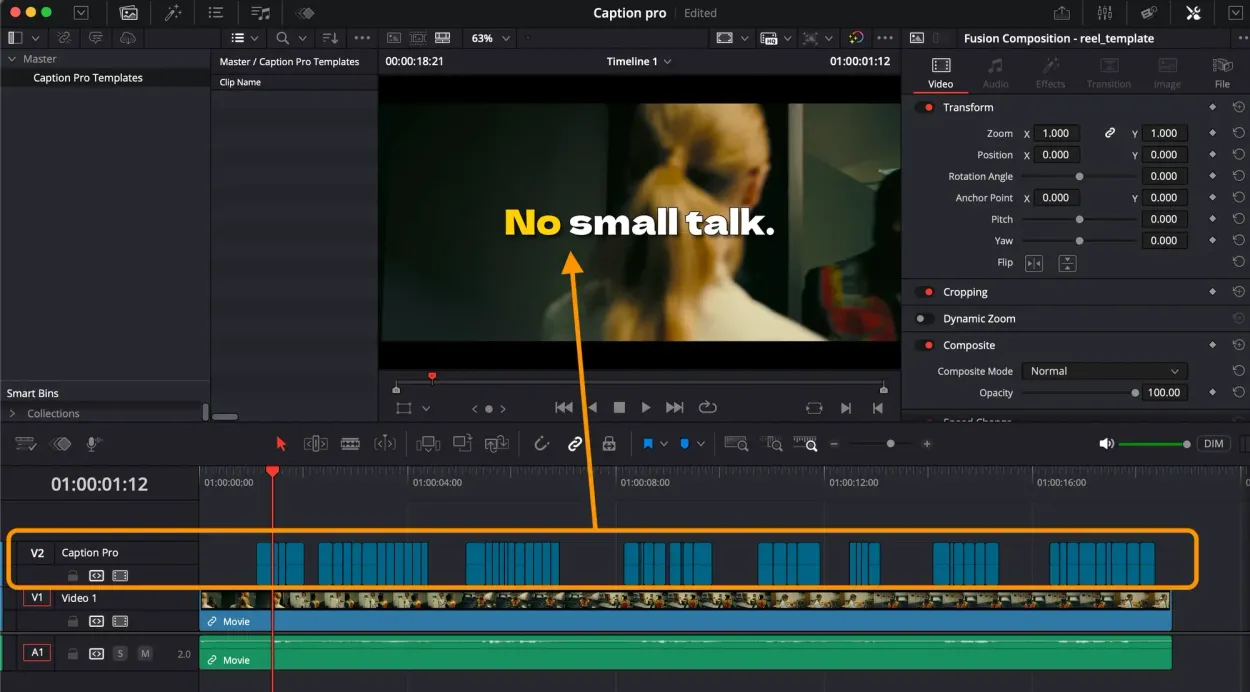
Caption Pro
Automatic word-by-word captions and translation for DaVinci Resolve
View plugin — €29.00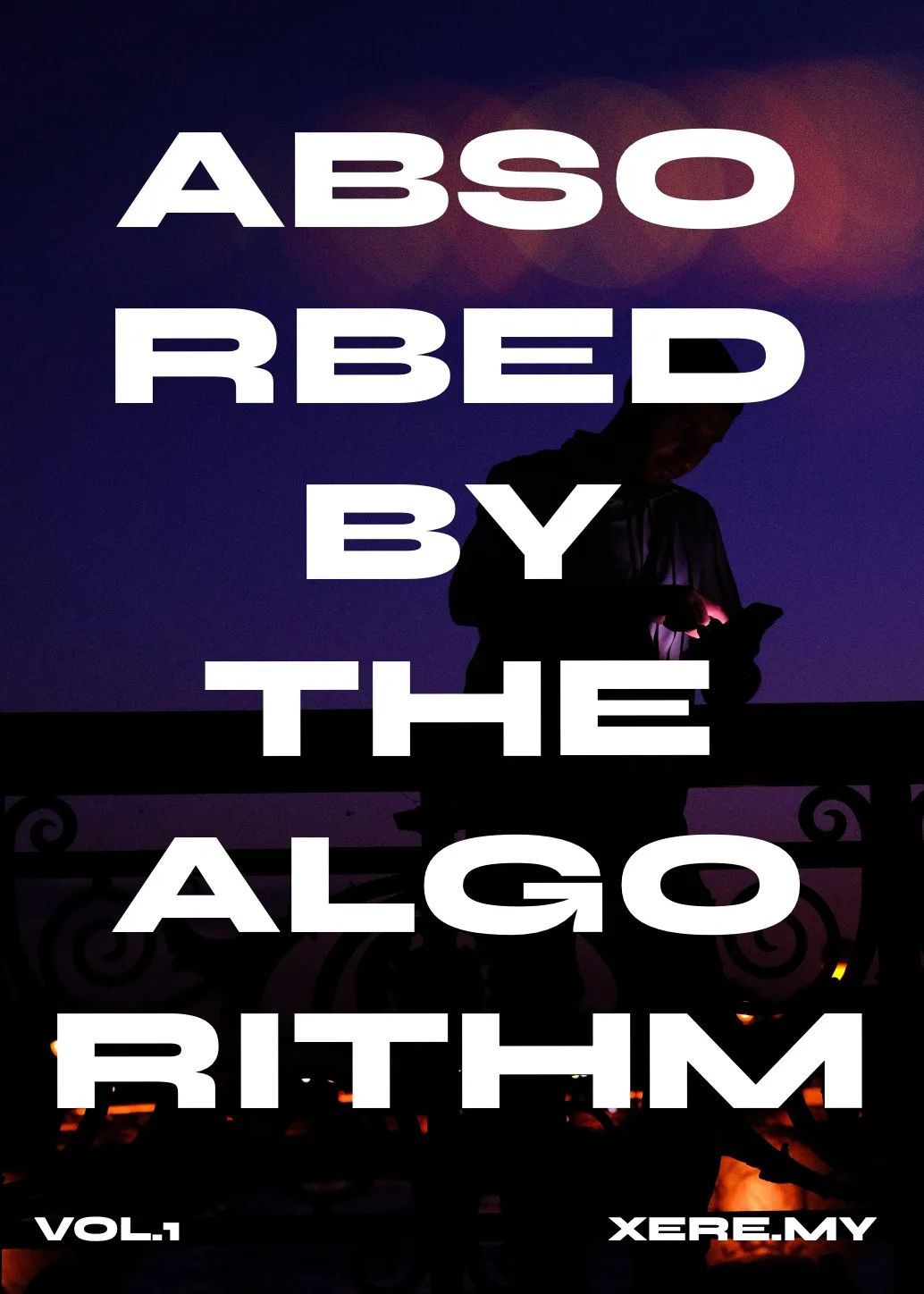
Get the zine
"Absorbed by the algorithm Vol. 1": 33 images shot in Paris, 28 pages, shipped worldwide.