The Fujifilm X-E1: A Love Letter After 13 Years
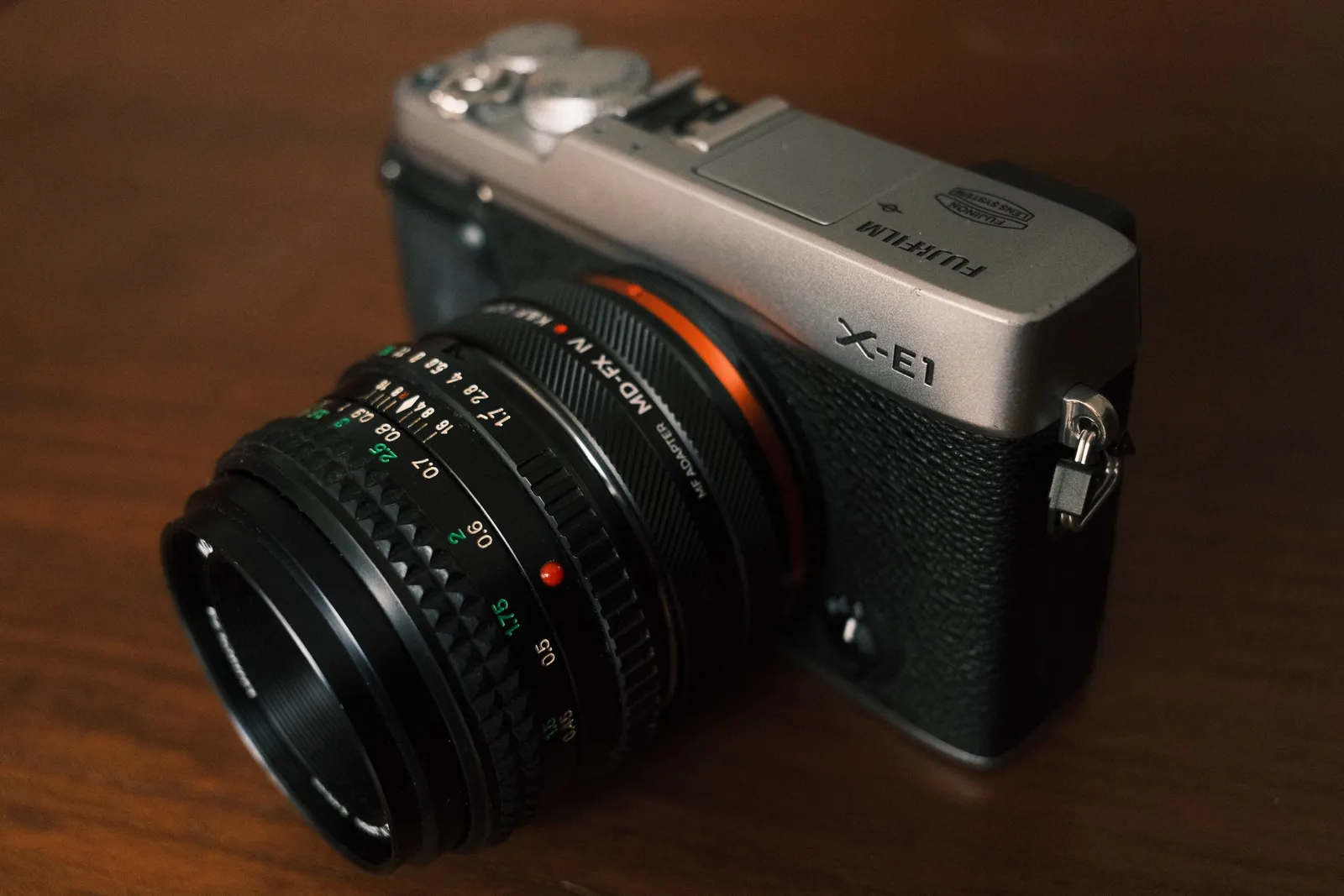
In 2013, I was bouncing between systems : Canon, Nikon, a little Panasonic Lumix point-and-shoot. Nothing felt right. Then I discovered Fujifilm's X series and bought the X-E1, paired with the classic 35mm f/1.4. That lens is still with me today.
Since then, I've owned other Fujifilm cameras. The X100S that I loved deeply, but got stolen during a trip to Chile. The X-T30 II, and more recently, the X-E5.
But the X-E1 is still here with me. After 13 years, there's still something about it. A magic I can't quite explain, and haven't fully replicated with anything else.
So this is less a spec comparison than a reflection on why a camera from 2012 still gets used in 2026.
A brief history
The X-E1 launched in 2012 as Fujifilm's entry-level mirrorless interchangeable-lens camera. It shared DNA with the X-Pro1 but came in a more compact, rangefinder-style body. A clean, focused design.
Key specs:
- 16MP APS-C X-Trans CMOS I sensor
- ISO 200-6400
- 2.36M-dot OLED EVF
- 2.8-inch 460k-dot LCD
- Full HD video at 24fps
- Built-in pop-up flash
Nothing revolutionary by today's standards. But that's part of the appeal. No overwhelming features, just enough to focus on composition and light.
Several firmware updates over the years improved autofocus speed and overall functionality, so the camera is genuinely better today than when it launched.
The sensor
Most of what I like about this camera comes from the X-Trans I sensor.
At 16 megapixels, it's modest by 2026 standards. But it renders images with an organic, almost film-like quality that modern sensors often lack, being too sharp, too clean. Colors feel natural. Tonal transitions are smooth. There's a tangible warmth to the output, especially shooting SOOC JPEGs.
It keeps details sharp without losing that soft, analog look I love. It's less "punchy" than newer X-Trans III, IV, or V sensors, and that is precisely why I keep coming back to it. The files are less clinical, more natural.
Living with the limitations
The X-E1 is slow.
Startup takes a moment. Autofocus, even after firmware improvements, isn't winning any races. The EVF struggles in bright light and lags in low light. There's no in-body stabilization. Double exposures max out at two frames, no multiple exposures like on newer bodies.
Film simulations are limited to the classics: Provia, Astia, Velvia, Monochrome. You can save recipes, but white balance shifts don't store properly. I've learned to keep things simple : one color recipe, one black and white.
These constraints would frustrate anyone looking for speed or versatility. For me they have mostly stopped registering as constraints at all.
The X-E1 forces me to slow down. To observe before shooting. To be deliberate with every frame. That sensation, of truly choosing each photo, is something I haven't replicated on faster, more capable cameras. Except maybe the X100S, before it was stolen.
Pairing with vintage lenses
The X-E1 works particularly well with old manual glass.
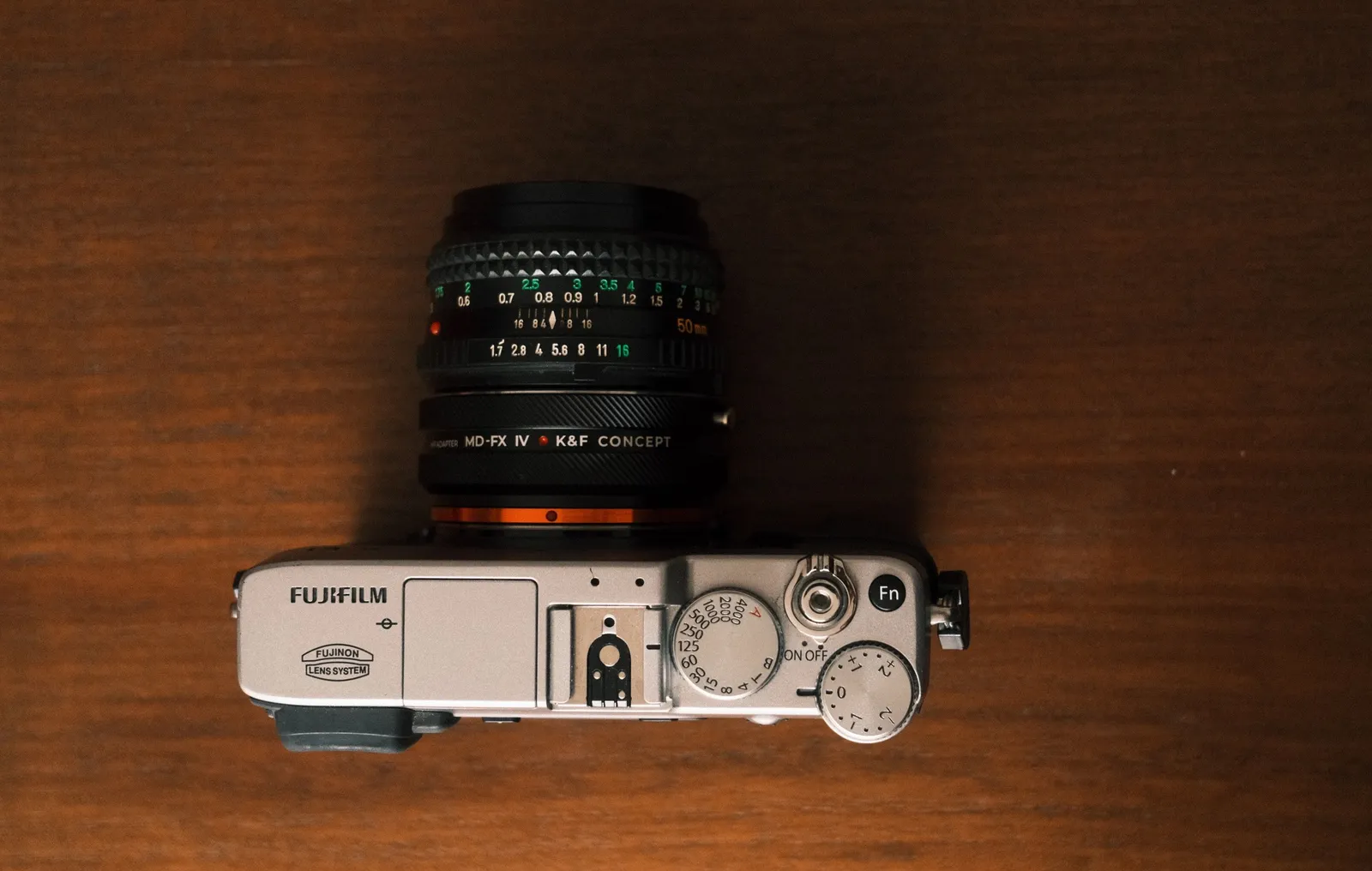
I've been shooting it recently with a Minolta Rokkor 50mm f/1.7, a lens from a completely different era. No autofocus, no electronic aperture, just a focus ring that demands your attention.
The combination is beautifully impractical. Focus peaking on the X-E1 is basic, honestly, one of the worst implementations in Fuji history. But that difficulty makes the frames that do work feel earned.
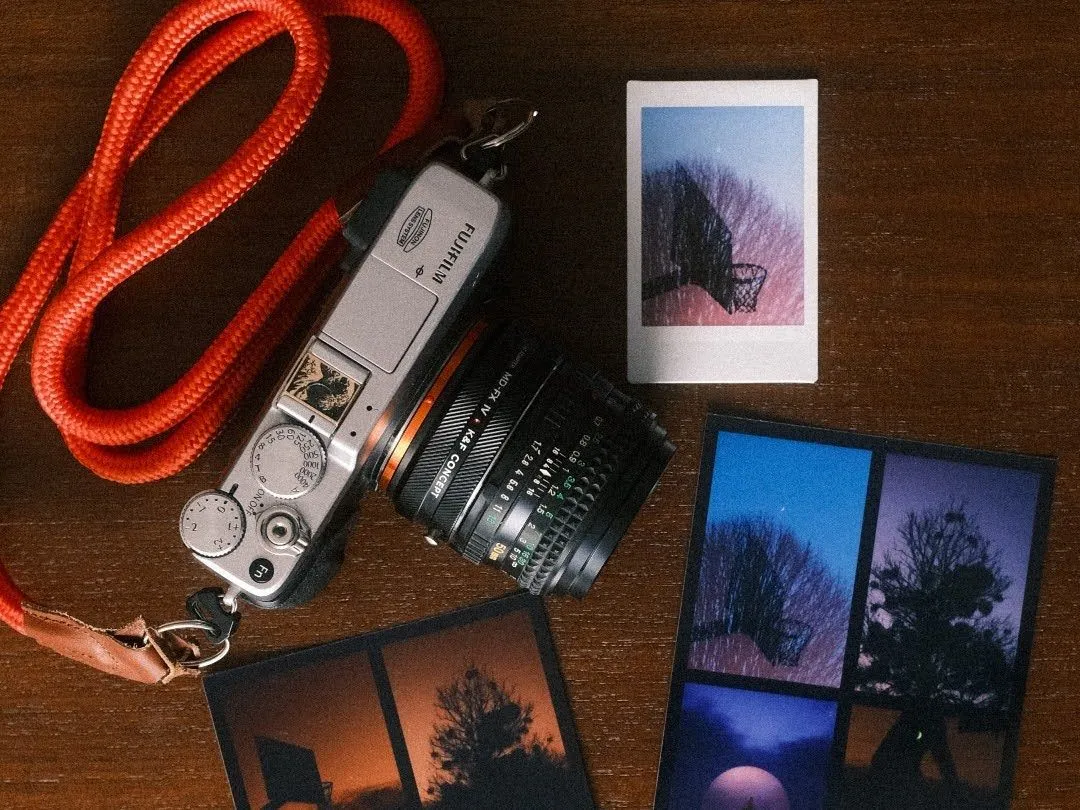
Manual focus slows you down even further. You stop, you adjust, you wait for the moment to align. A few weeks ago, I spent an afternoon in my childhood hometown shooting double exposures with this setup, and it reignited something I thought I'd lost.
Shooting vintage lenses on the X-E1 is mostly about the ritual, about the way photography used to feel before autofocus did the thinking for us.
The attachment
After 13 years, the X-E1 carries a lot of memory along with the photos. It has been with me through travels, milestones, and small personal moments I'll never forget.
I have newer cameras. Better cameras, by most metrics. But when I pull the X-E1 from the drawer, something shifts. There's a feeling, almost nostalgic, that the others don't trigger. That attachment isn't rational, and I've stopped trying to argue myself out of it.
Relevance in 2026
So, does the X-E1 still make sense today?
For speed shooters or spec chasers, no. Autofocus is too slow. The EVF is dated.
But for anyone seeking an entry into the Fujifilm system, a backup body, or simply a camera that encourages mindful shooting, absolutely yes.
For a fraction of the cost of the newer models you get a magnesium body, a sensor with genuine character, and access to the entire X-mount lens ecosystem. Pair it with a vintage lens for even less investment.
What the X-E1 offers, and what I have not found elsewhere, is a shooting experience that gives you a reason to slow down.
Conclusion
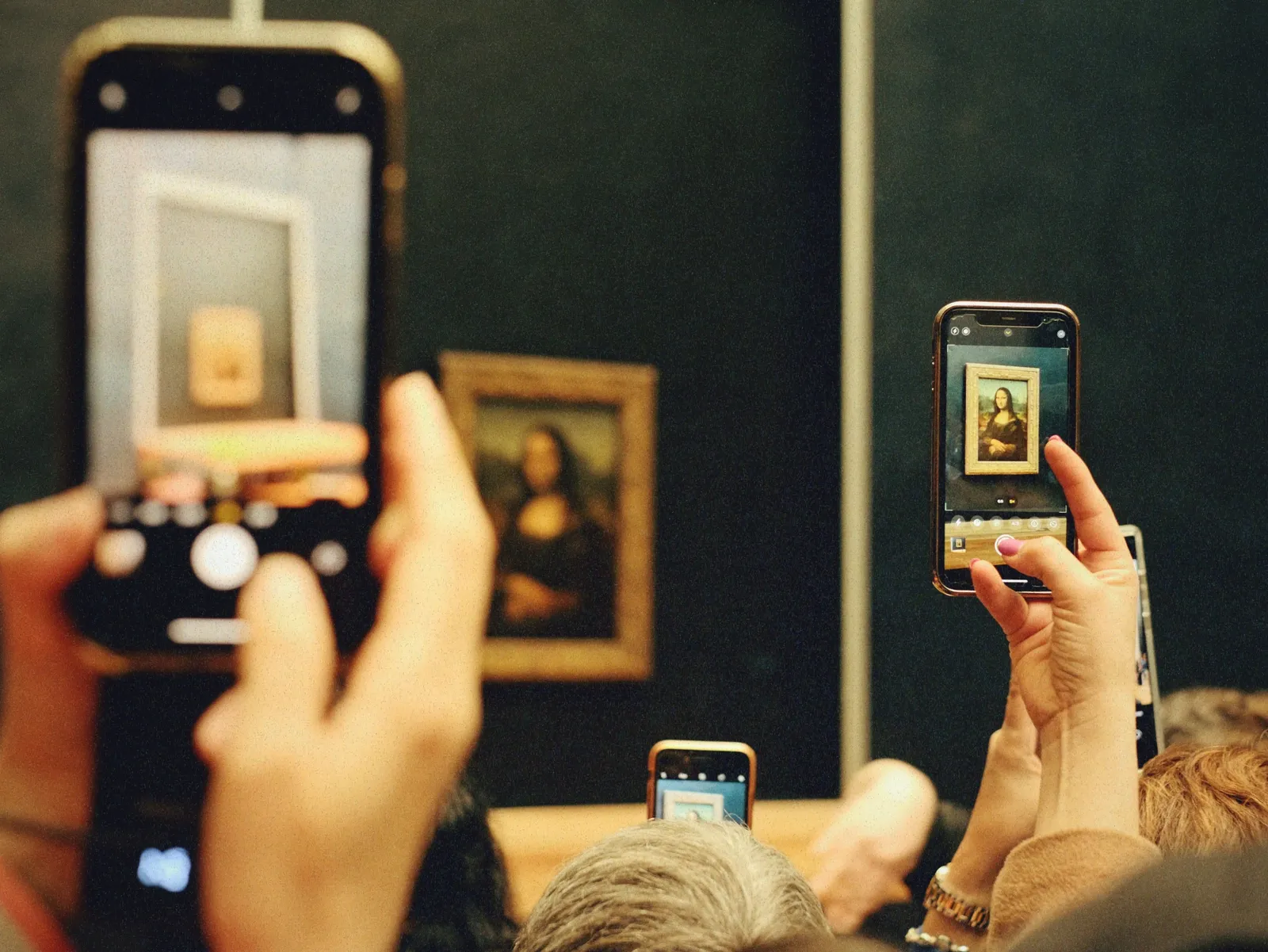
Thirteen years is a long time in technology. Phones have transformed and software has evolved. Cameras have multiplied megapixels and features. And yet the X-E1 endures, not because it competes with modern cameras, since it clearly doesn't, but because it insists that you slow down and actually see.
If you have an old camera gathering dust, maybe it's time to pick it up again. If you're curious about the X-E1, hunt for one used. They're affordable, capable, and full of quiet magic.
Help me keep writing
If these articles are useful to you, have a look at what I make.
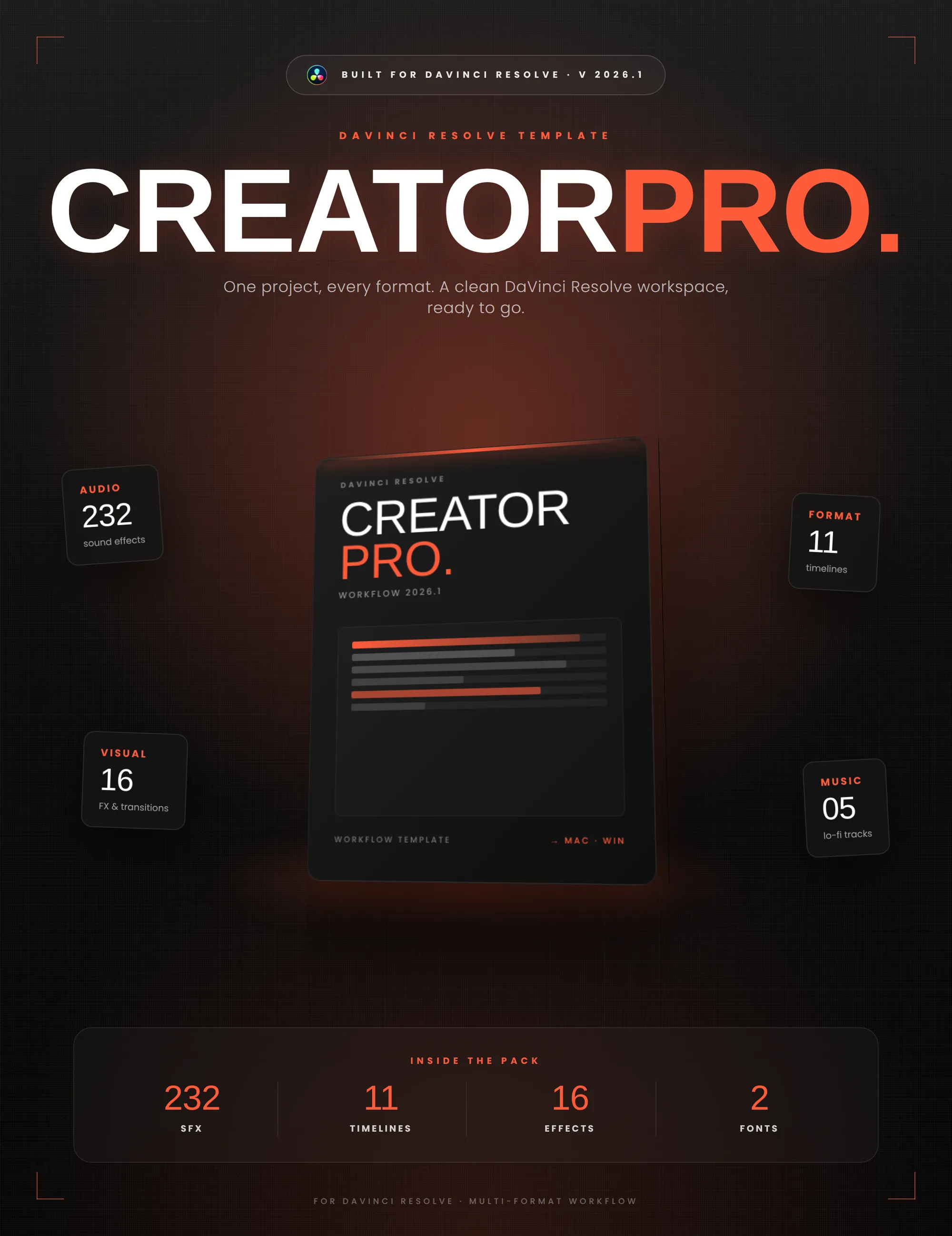
Creator Pro
The ultimate DaVinci Resolve workspace for creators
View plugin — €29.00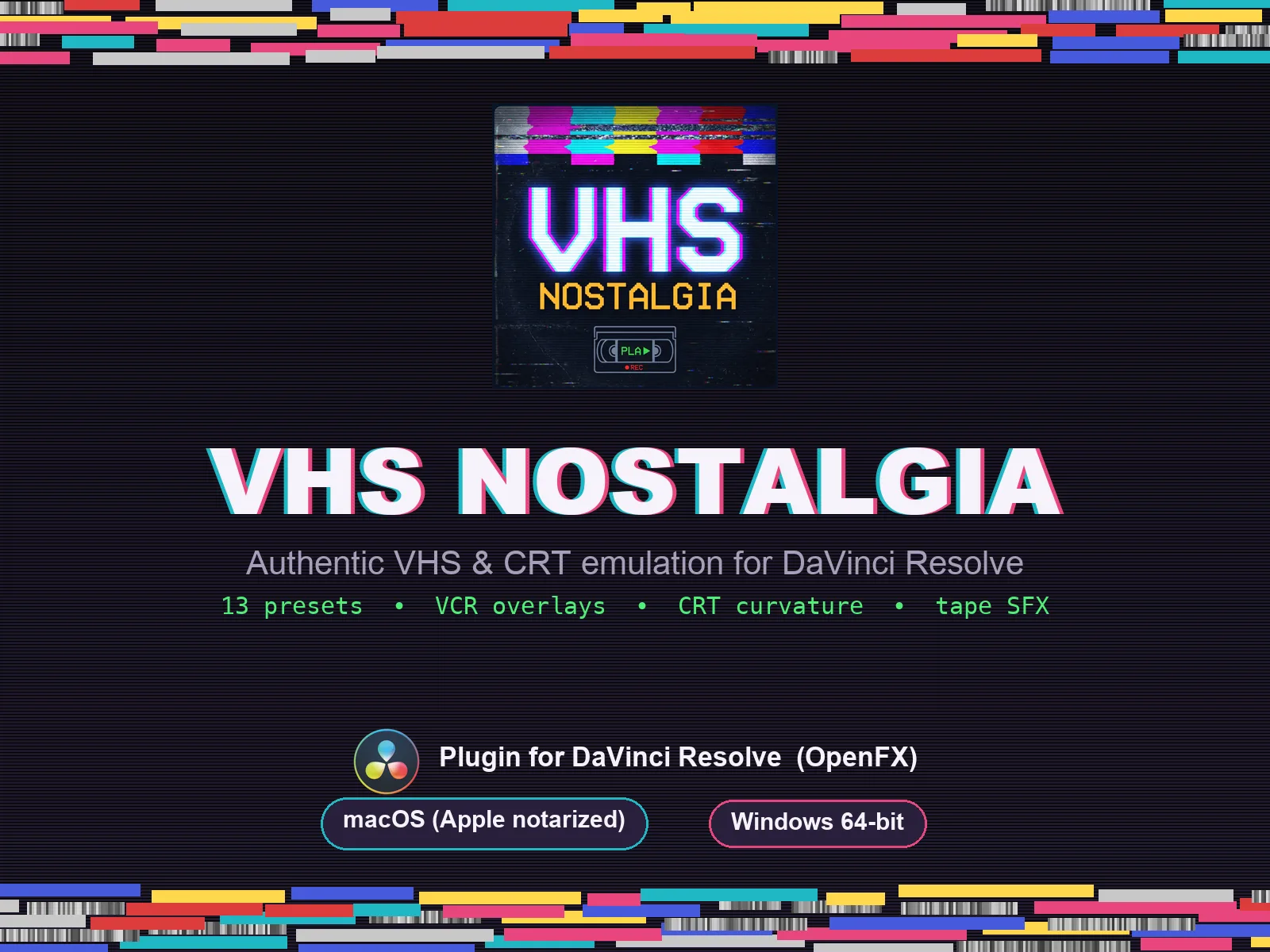
VHS Nostalgia
Real VHS & CRT emulation for DaVinci Resolve
View plugin — €39.00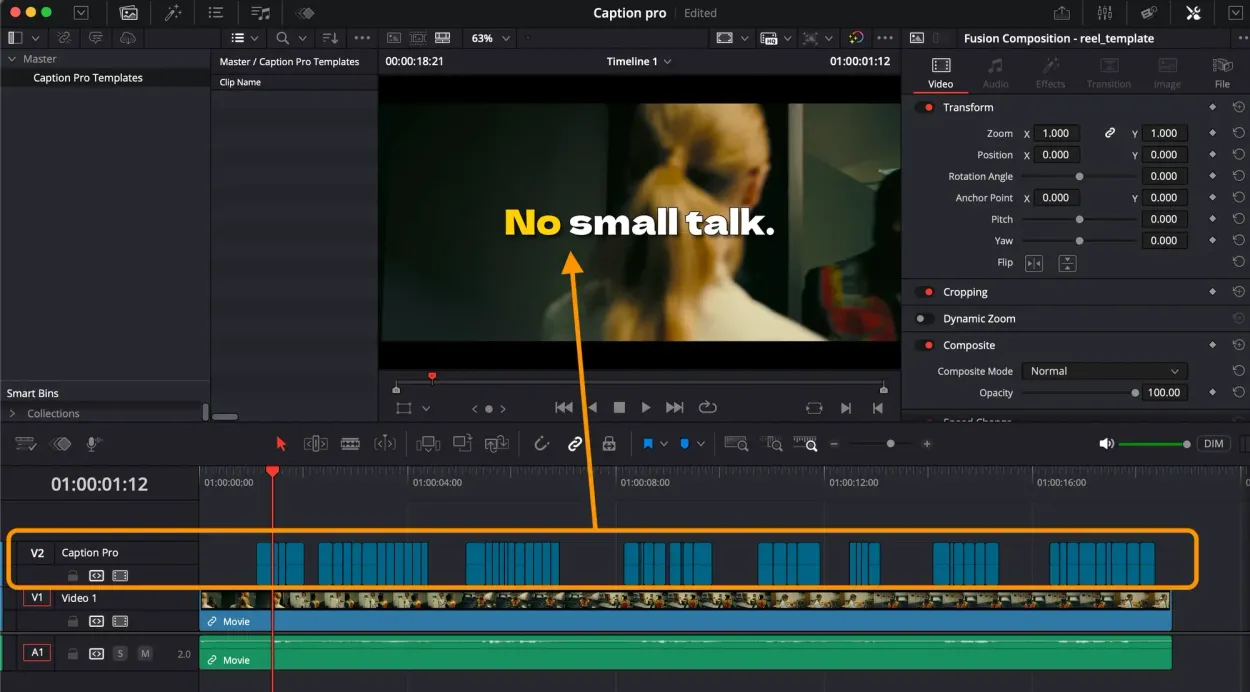
Caption Pro
Automatic word-by-word captions and translation for DaVinci Resolve
View plugin — €29.00
Get the zine
"Absorbed by the algorithm Vol. 1": 33 images shot in Paris, 28 pages, shipped worldwide.