Street Photography and the Weight of Pointing a Camera at Strangers
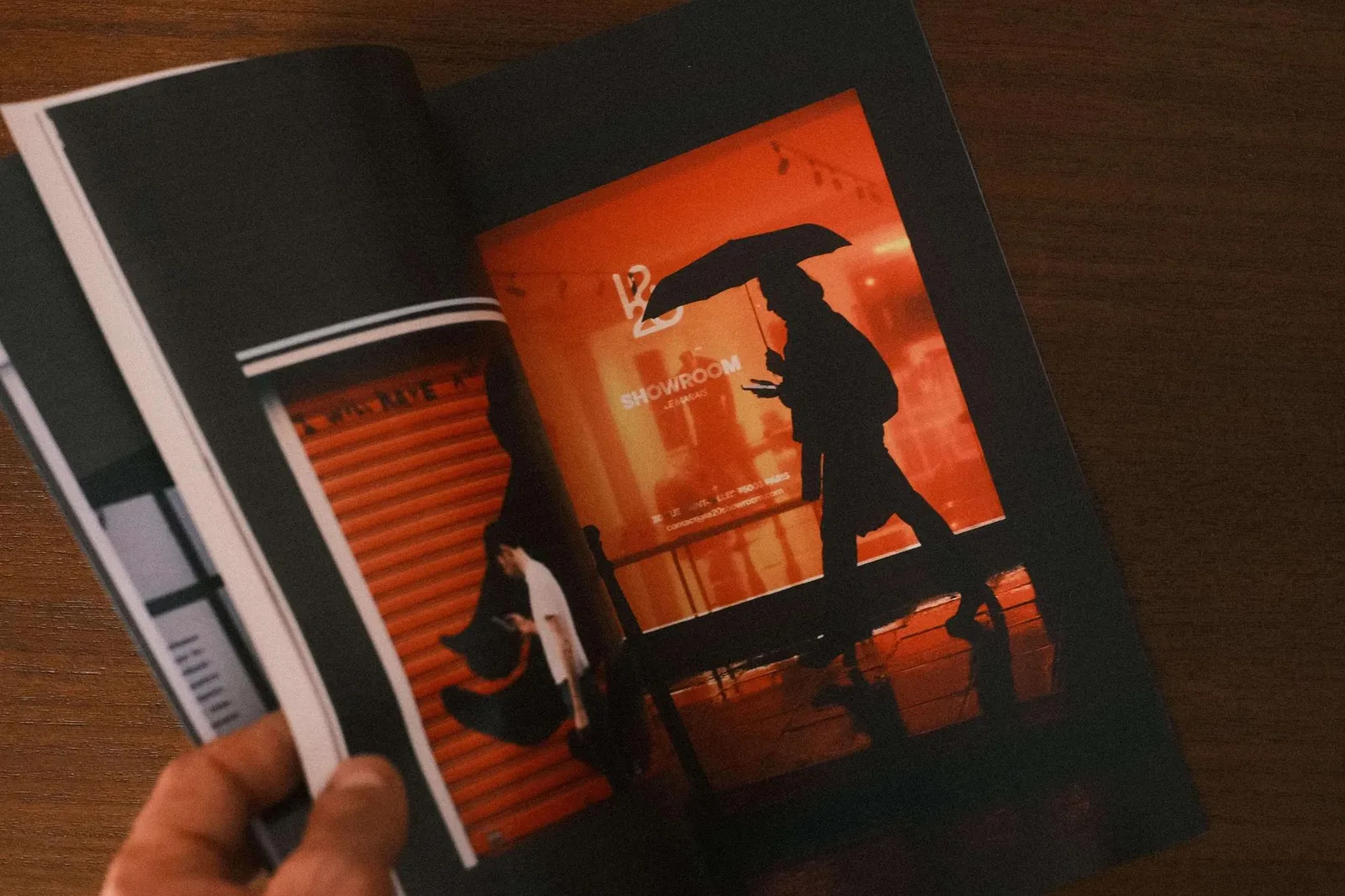
There's a moment every street photographer knows. You see the light, the composition, the person walking into the perfect spot. Your finger hovers over the shutter. And then something stops you. Not a technical problem. Not the wrong settings. Just a feeling in your chest that asks: should I really take this photo?
That hesitation is more than nerves. It's the tension at the heart of street photography, a genre built entirely on capturing people who didn't ask to be captured.
It starts with respect
Before we talk about legality, fear, or technique, the conversation has to start here. Street photography, at its core, involves other human beings. Real people having real moments. Someone waiting for a bus after a long shift. A couple arguing on a bench. A child running ahead of their parents. They are not content on social media. They are people living their lives, and the camera is an uninvited guest.
The best street photographers have always understood this. Henri Cartier-Bresson talked about moving through the world quietly, almost invisibly, out of respect for the scenes he witnessed. Vivian Maier spent decades photographing the streets of Chicago and New York with an intimacy that only comes from genuine curiosity about people, not exploitation of them. Their work endures because it was rooted in observation, not intrusion.
That doesn't mean every photo needs permission. But it does mean every photo deserves a moment of consideration. This won't always stop you from pressing the shutter. But it should at least cross your mind.
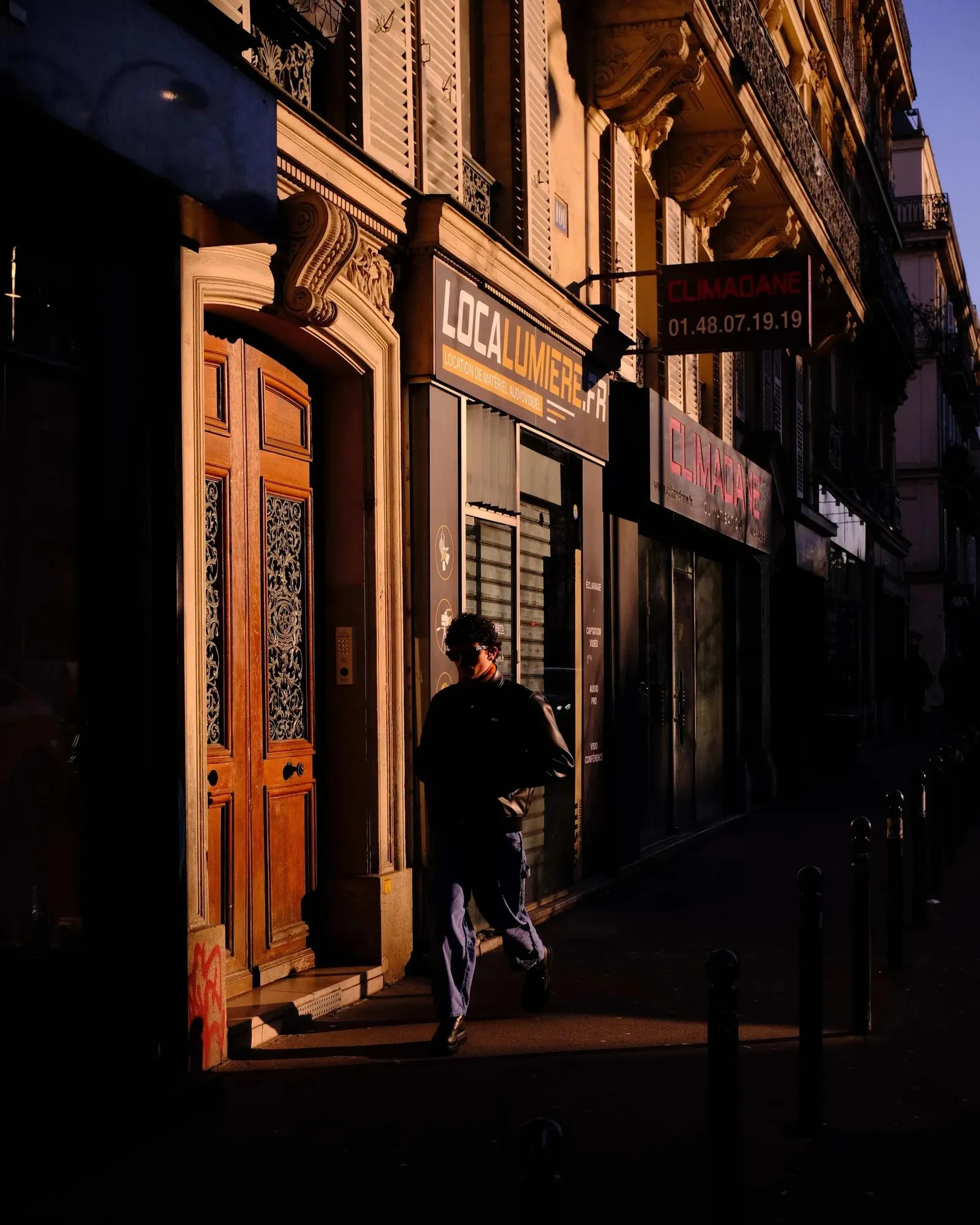
The fear is real, and it's not irrational
If you've ever felt anxious about raising your camera in a crowded place, you're not alone. That fear is one of the most common barriers for anyone getting into street photography, and it doesn't fully go away with experience. It just changes shape.
Part of it is social. Most people outside the photography world have no idea what street photography is. To them, someone pointing a camera at strangers looks suspicious at best, creepy at worst. And honestly, you can't blame them. We live in a time where people are increasingly aware of how their image can be used, shared, and taken out of context. The rise of social media has made everyone more protective of their likeness, and that's a perfectly reasonable response.
The other part is internal. There's something deeply uncomfortable about the power dynamic between photographer and subject. You are choosing to capture someone in a moment they didn't curate. You hold the camera, you decide the framing, you control the narrative. That imbalance is worth sitting with, even if you ultimately decide to take the shot.
Some photographers push through the fear by shooting from the hip or using long lenses from a distance. Others prefer to engage with their subjects before or after the photo. There's no single right approach, but pretending the discomfort doesn't exist, or treating it as something to simply "get over," misses the point. The discomfort is a signal that you're aware of the ethical weight of what you're doing. That's a good thing.
Where the law draws the line (and where it doesn't)
The legal landscape around street photography varies wildly depending on where you are. In the United States and the United Kingdom, photographing people in public spaces is generally legal, as long as there's no harassment or malicious intent. In much of Europe, things get more complicated. Countries like France and Germany have stricter privacy laws that can make publishing recognizable photos of people without consent a legal gray area. In some other countries, photographing identifiable strangers can lead to actual trouble if the person decides to report it.
And the trend seems to be moving toward more restrictions, not fewer. Several countries are considering or have already implemented laws around sharing photos of recognizable people online without their consent, even when those photos were taken in public. Whether you agree with these laws or not, they reflect a broader cultural shift in how people think about privacy, consent, and the right to control their own image.
For street photographers, this creates a real tension. The genre has always relied on candid, unposed moments. Asking for permission changes the dynamic entirely. But ignoring the evolving conversation around consent and privacy feels increasingly difficult.
This is where the legal and the moral part ways. Something can be perfectly legal and still feel wrong. And something can feel right and still get you into trouble depending on where you're standing. Knowing the local laws is important, but it's only half the equation.
Finding your own line
So what do you actually do with all of this? There's no universal answer, and anyone who tells you otherwise is oversimplifying.
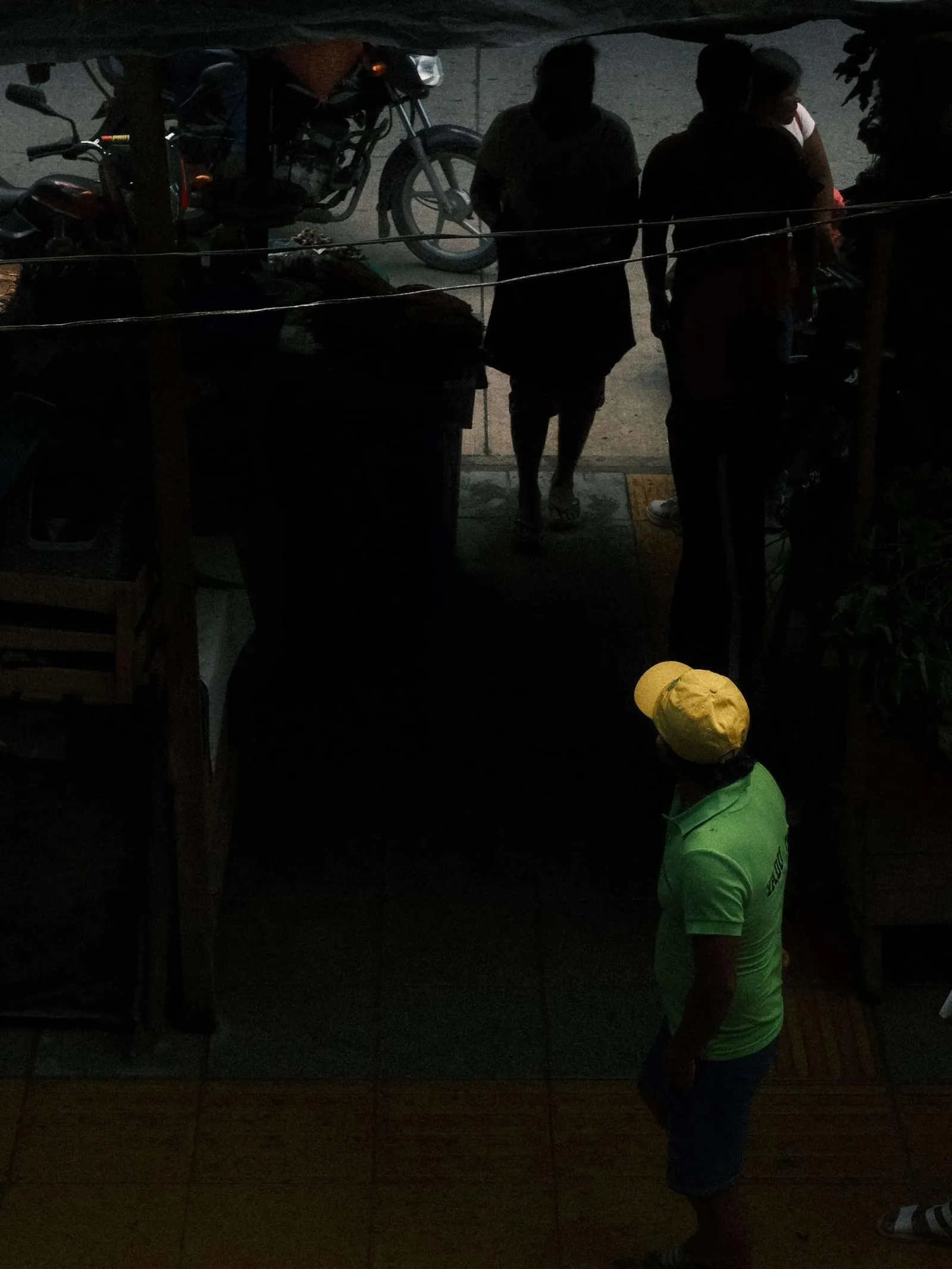
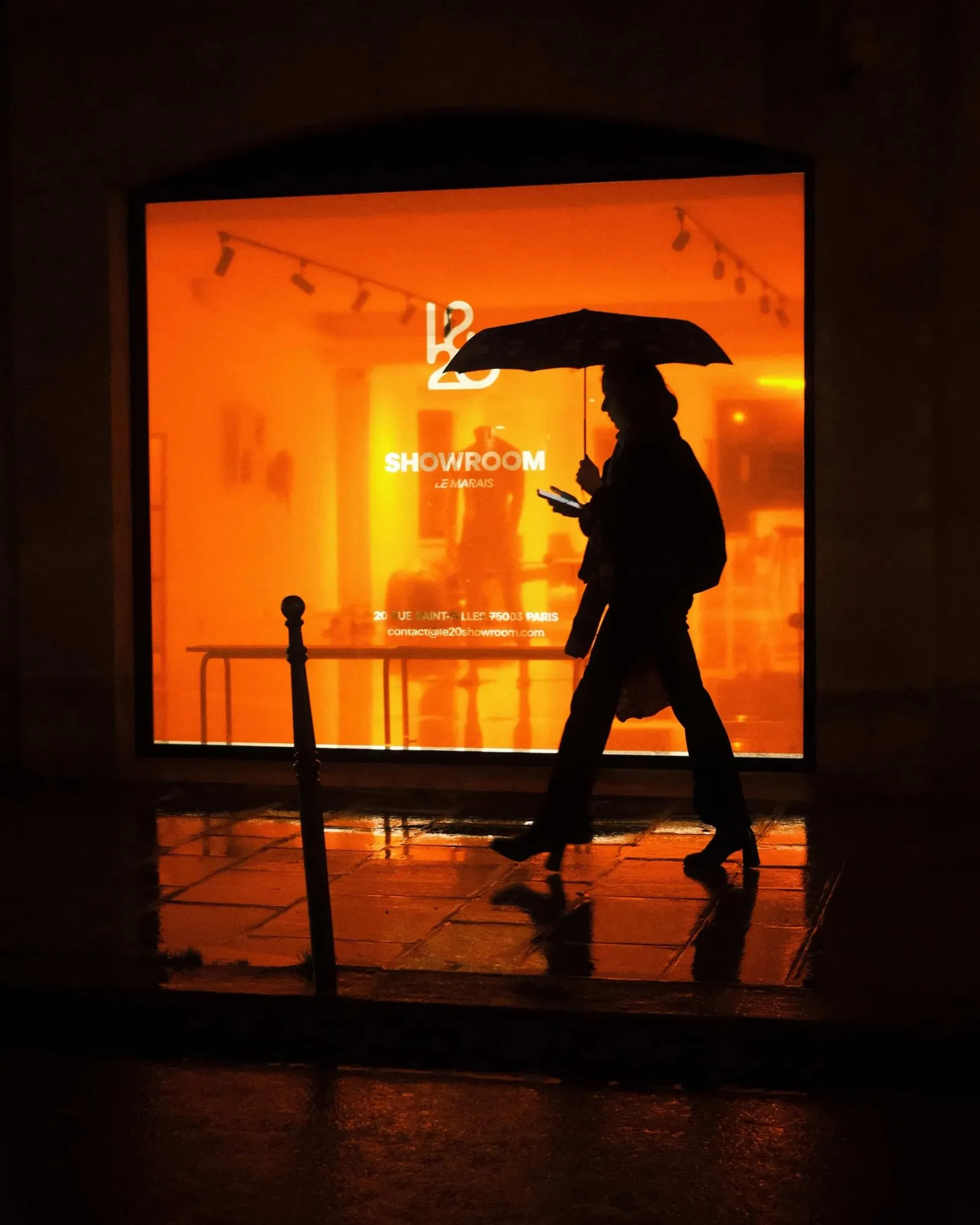
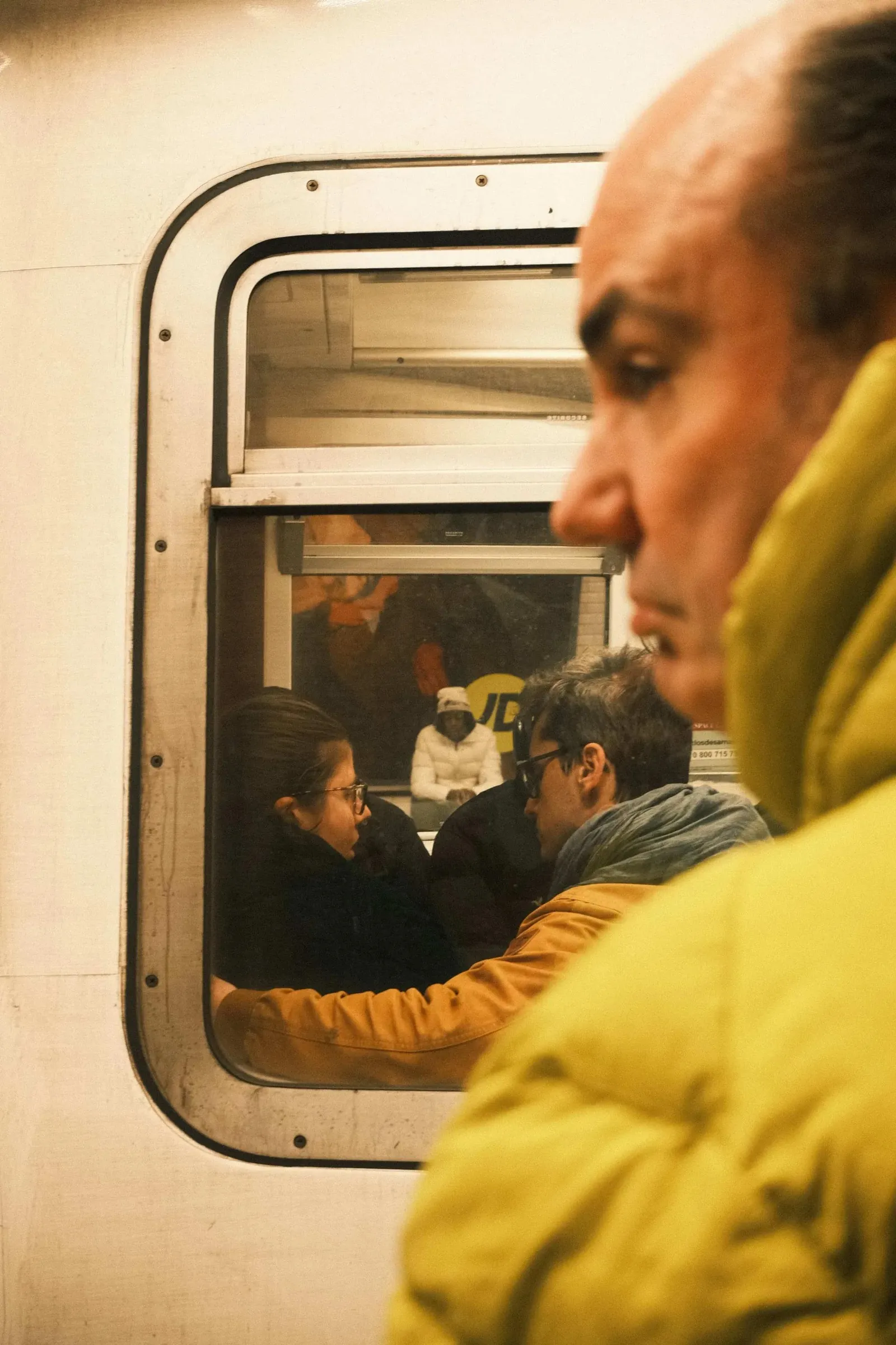
Some photographers choose to avoid faces entirely. Shooting silhouettes, capturing motion blur, focusing on scenes where people are part of the environment rather than the subject. These approaches can produce incredible work. Some can build an entire body of iconic images around light, shadow, and geometry, with human figures serving as shapes within larger compositions rather than identifiable individuals.
Others lean into the human connection. They photograph openly, make eye contact, smile, and sometimes show the photo to the person afterward. A few share their instagram account, so they can quickly explain who they are and what they do if someone asks. This kind of transparency can defuse tension and even lead to genuine moments of connection.
And some photographers simply accept the discomfort as part of the practice. They acknowledge that street photography exists in an ethically ambiguous space, and they choose to navigate it thoughtfully rather than avoid it entirely.
There are also practical things that can help. Going abstract with reflections, shooting through glass, using slow shutter speeds to blur movement. These aren't just techniques to hide faces. They're creative choices that can push your work in unexpected directions. Some of the most compelling street photography I've seen comes from photographers who turned limitations into a visual language of their own.
No easy answers
Street photography sits at an uncomfortable intersection of art, ethics, and law. It always has. The difference today is that the conversation is louder, the stakes feel higher, and the people in our photos have more awareness and more voice than ever before.
That's not a bad thing. It just means the genre has to evolve alongside the culture it documents.
I don't think there's a definitive answer to whether street photography is "right" or "wrong." It depends on the photographer, the subject, the context, the country, and a dozen other factors that shift from one moment to the next. What I do believe is that the question itself matters. The fact that you're thinking about it, that you're weighing the ethics, that you feel that hesitation before pressing the shutter, that's not a weakness. It might be the most important part of the whole process.
Where you land after that is up to you.
To go further, you can visit my street photography portfolio page here.
This article reflects personal thoughts and is not legal advice. Laws around photography vary by country and are subject to change. Always research local regulations before shooting in unfamiliar locations.
Help me keep writing
If these articles are useful to you, have a look at what I make.

Creator Pro
The ultimate DaVinci Resolve workspace for creators
View plugin — €29.00
VHS Nostalgia
Real VHS & CRT emulation for DaVinci Resolve
View plugin — €39.00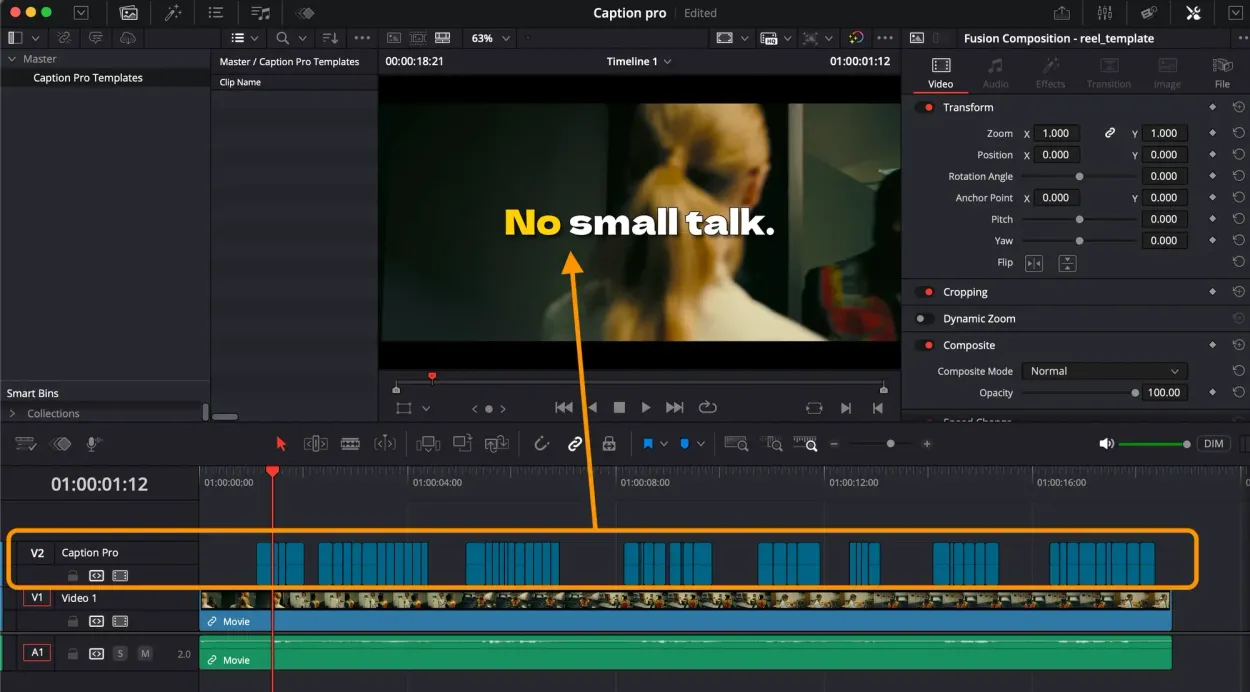
Caption Pro
Automatic word-by-word captions and translation for DaVinci Resolve
View plugin — €29.00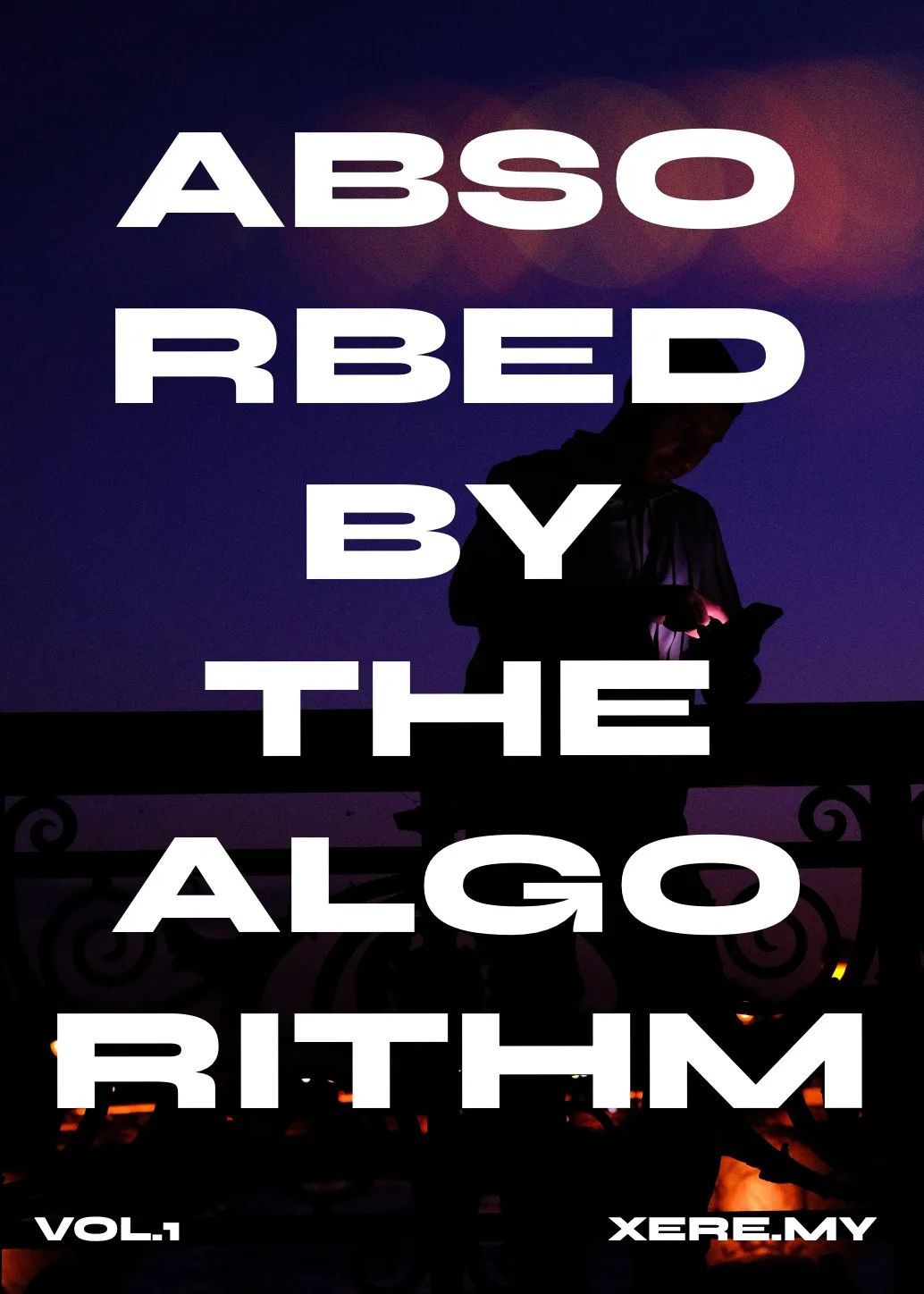
Get the zine
"Absorbed by the algorithm Vol. 1": 33 images shot in Paris, 28 pages, shipped worldwide.