Why I Shoot SOOC JPEG only
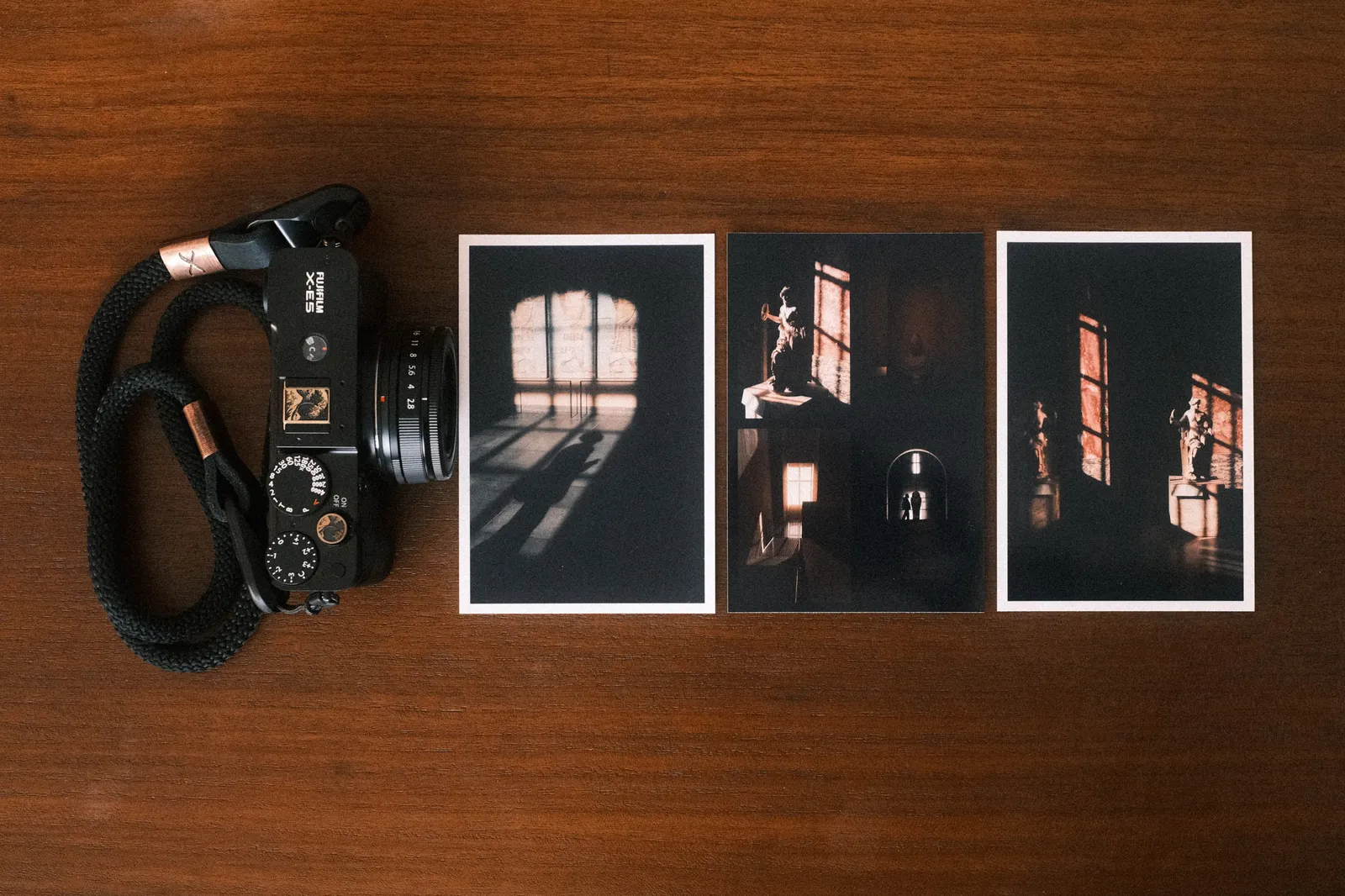
If you had asked me 15 years ago, I would have told you that to be a "real" photographer, you absolutely had to shoot in RAW. When I first started my photography journey, I fell right into that trap. I spent hours hunched over my computer in Lightroom, tweaking sliders, creating masks, and agonizing over white balance. I did it because it felt professional. But the truth? I got bored of it very quickly.
The turning point for me wasn't a new editing tutorial or a software update; it was a completely different philosophy. It was discovering Fujifilm.
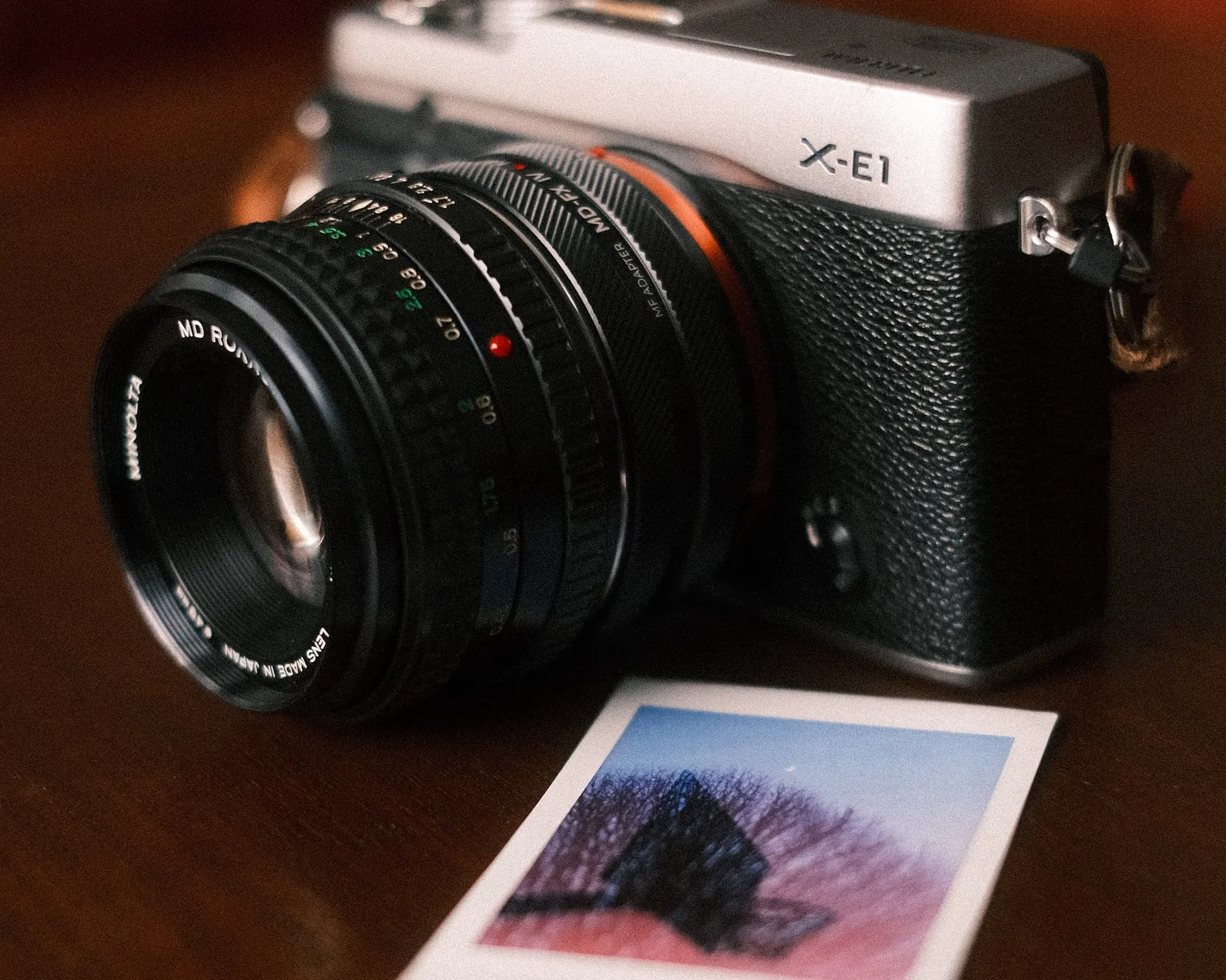
Over the years, my gear has evolved, from the X-E1 and X100S to the X-T30 II, and now the X-E5. But through every upgrade, one thing has remained constant: my absolute love for Straight Out Of Camera (SOOC) JPEGs.
Here is why I permanently traded the editing desk for the great outdoors, and why shooting SOOC JPEG is the only way I want to create.
Speed and simplicity
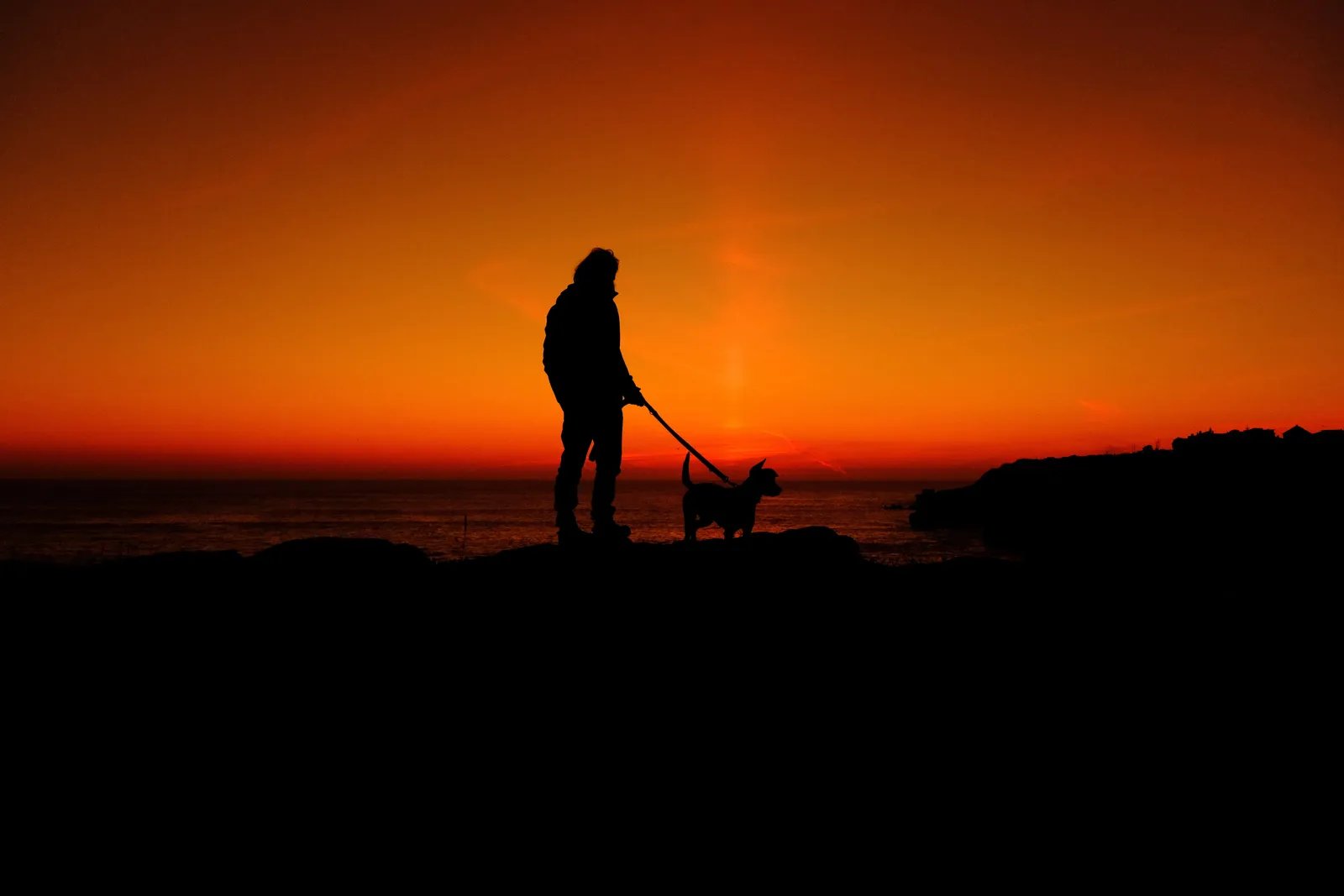
The biggest revelation I had with the Fujifilm ecosystem was the magic of Film Simulations and custom Film Recipes. I instantly fell in love with the colors and the organic, film-like rendering on the first generation of the X-Trans sensor of my X-E1.
Suddenly, I no longer needed to spend countless hours behind a screen. The heavy lifting was done the moment I pressed the shutter. By cutting out the tedious post-processing photography became fun again. The simplicity of taking the SD card out, transferring the images, and having them instantly ready to share or print is incredibly liberating.
Creative cohesion
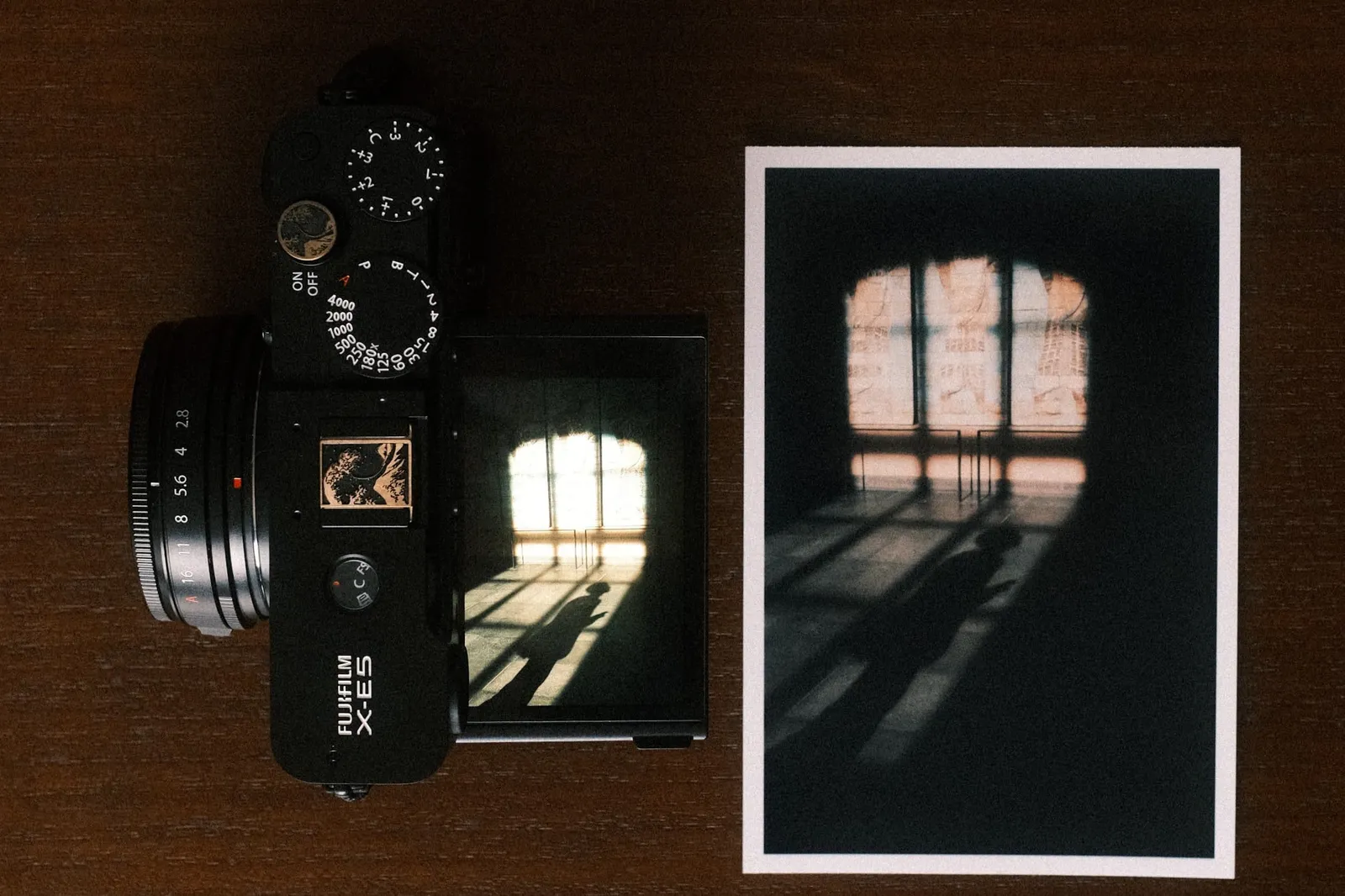
You might think that relying on in-camera processing limits creativity, but I've found the exact opposite to be true. Using a specific Film Recipe for a particular context or outing brings a beautiful consistency to my work.
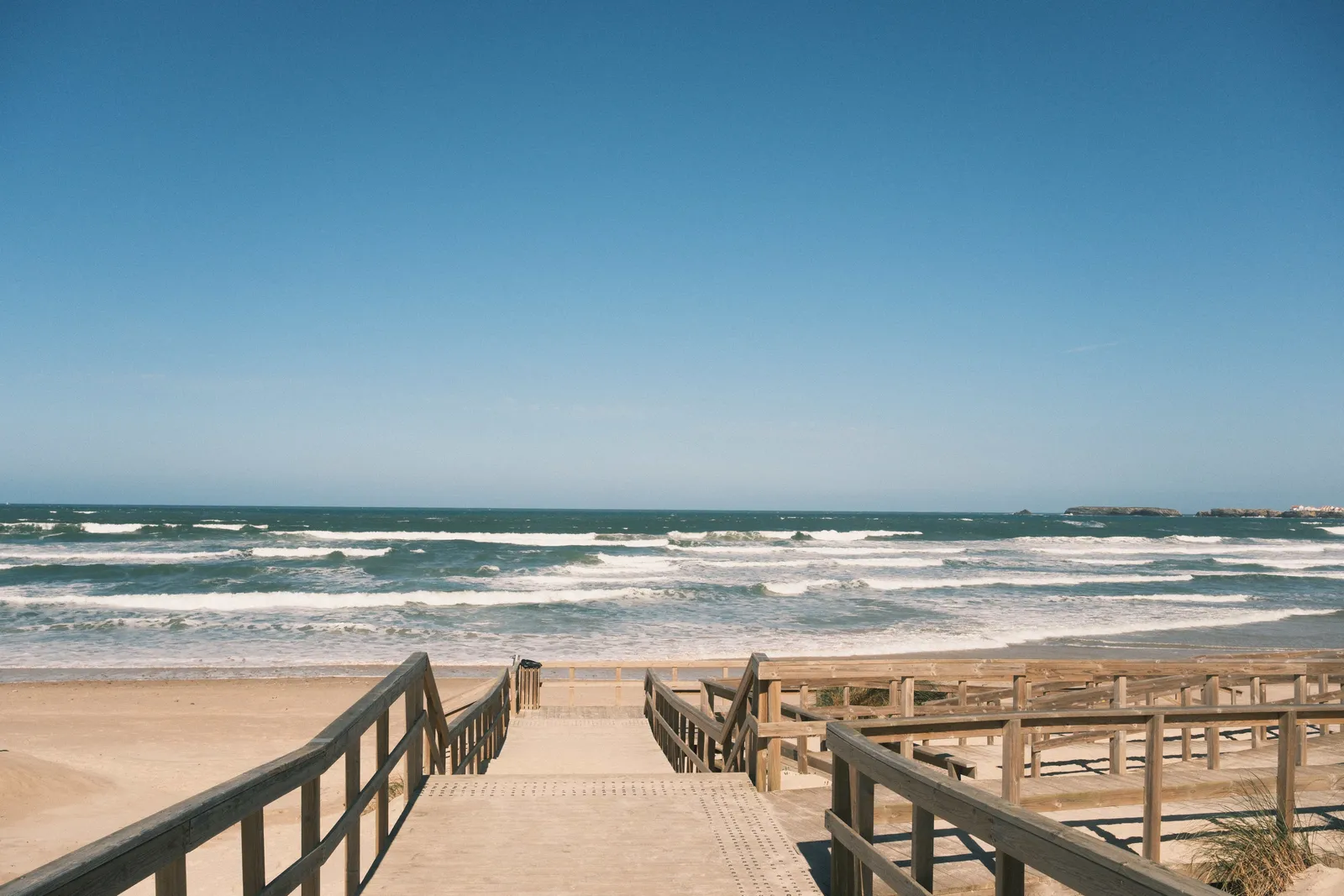
If I'm shooting a street series on a cloudy day, or a sunny afternoon by the beach, locking in a specific recipe ensures that the entire series feels harmonious. It ties the images together with a unified color palette and mood, elevating a simple collection of photos into a cohesive visual story.
It forces you to get it right in-camera
Shooting SOOC JPEG comes with a distinct lack of a safety net. You don't have the massive dynamic range of a RAW file to save blown highlights or lift crushed shadows after the fact.
I see this as a massive positive. Shooting JPEG forces a healthy discipline. You have to get the exposure, the white balance, and the framing right at the exact moment you take the photo. Instead of adopting a "I'll fix it in post" mentality, I now spend that extra time in the field, waiting for the right light, finding the perfect angle, and truly being present in the moment. It makes me a more intentional photographer.

A community of creators and explorers
One of the most unexpected joys of shooting SOOC with Fujifilm is the incredible community that surrounds film recipes. It goes far beyond the camera gear itself. Whether you are a creator trying to reverse-engineering classic film stocks, or simply a user testing out a new look on a weekend walk, there is a wonderful sense of shared experience. We are all united by this passion for color, mood, and simplicity.
Enthusiast websites run by deeply passionate photographers, like Fuji X Weekly or film.recipes, have become absolute goldmines for recipe hunters. But the conversation doesn't stop there. Across Instagram and dedicated Reddit communities (like r/fujifilm), thousands of photographers share their SOOC results, exchange settings, and discuss how different recipes react to various lighting conditions. It turns what used to be a solitary, behind-the-screen editing process into a collective, collaborative, and highly inspiring artistic journey. I also created a page where you can find all the recipes I developped over the years.
To each their own
Now, is SOOC JPEG the undisputed "best" way to shoot? Of course not. Photography is deeply personal, and there is no universal right or wrong way to create art.
I completely understand why professional photographers rely on RAW files. When you are shooting for clients, dealing with unpredictable lighting, and need maximum latitude to deliver exactly what was promised, RAW is an invaluable tool. It offers a level of safety and flexibility that JPEGs simply cannot match.
But for me, and for the way my brain works, SOOC is the answer. I've made my peace with the fact that I might occasionally lose a highlight or miss an exposure. I would much rather spend my time out, walking in the street, or wandering in a museum, than sitting alone in a dark room trying to rescue a mediocre one.
The best workflow is the one that makes you want to pick up your camera. For me, for the past thirteen years, that has meant a Fujifilm camera loaded with a good recipe.

Help me keep writing
If these articles are useful to you, have a look at what I make.
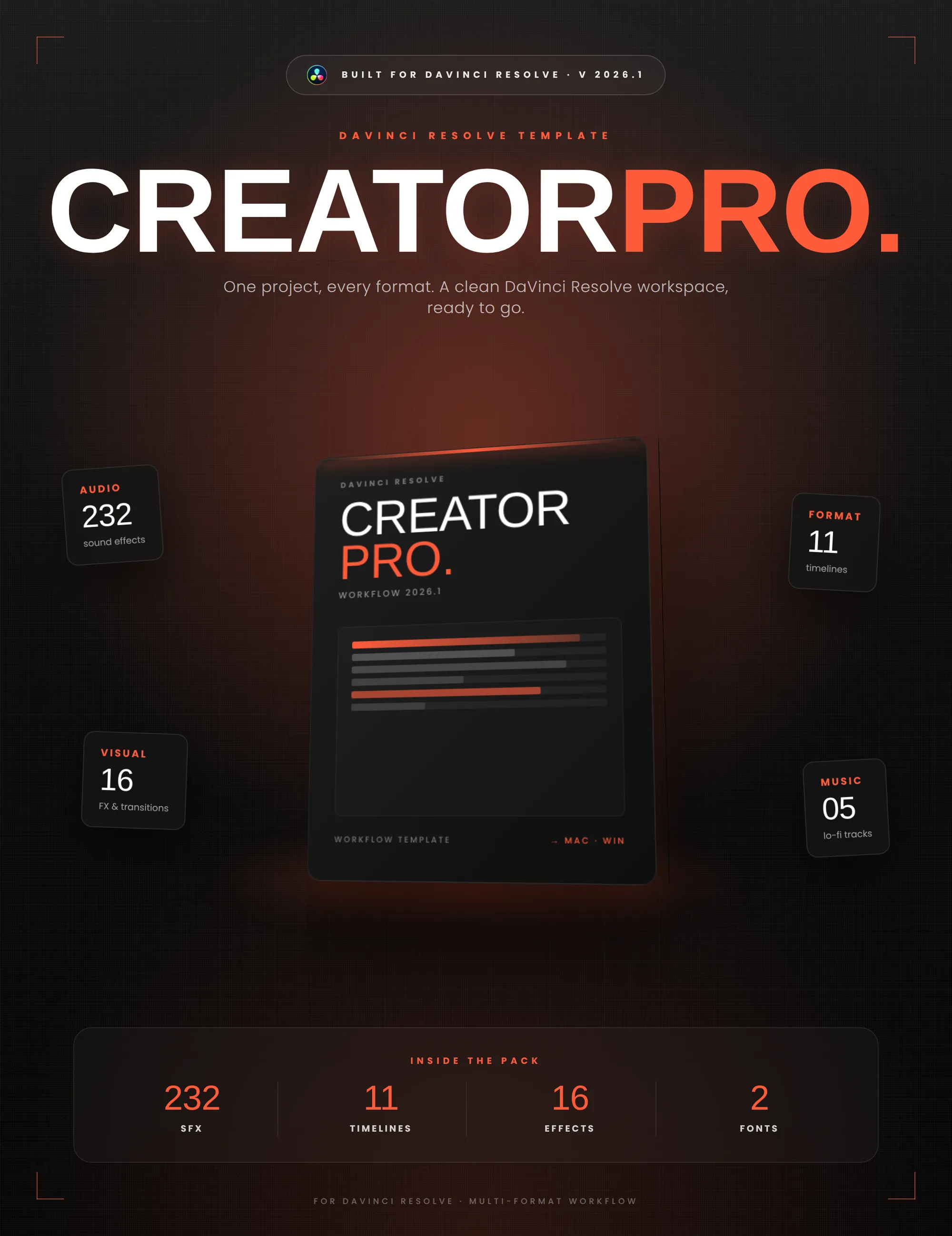
Creator Pro
The ultimate DaVinci Resolve workspace for creators
View plugin — €29.00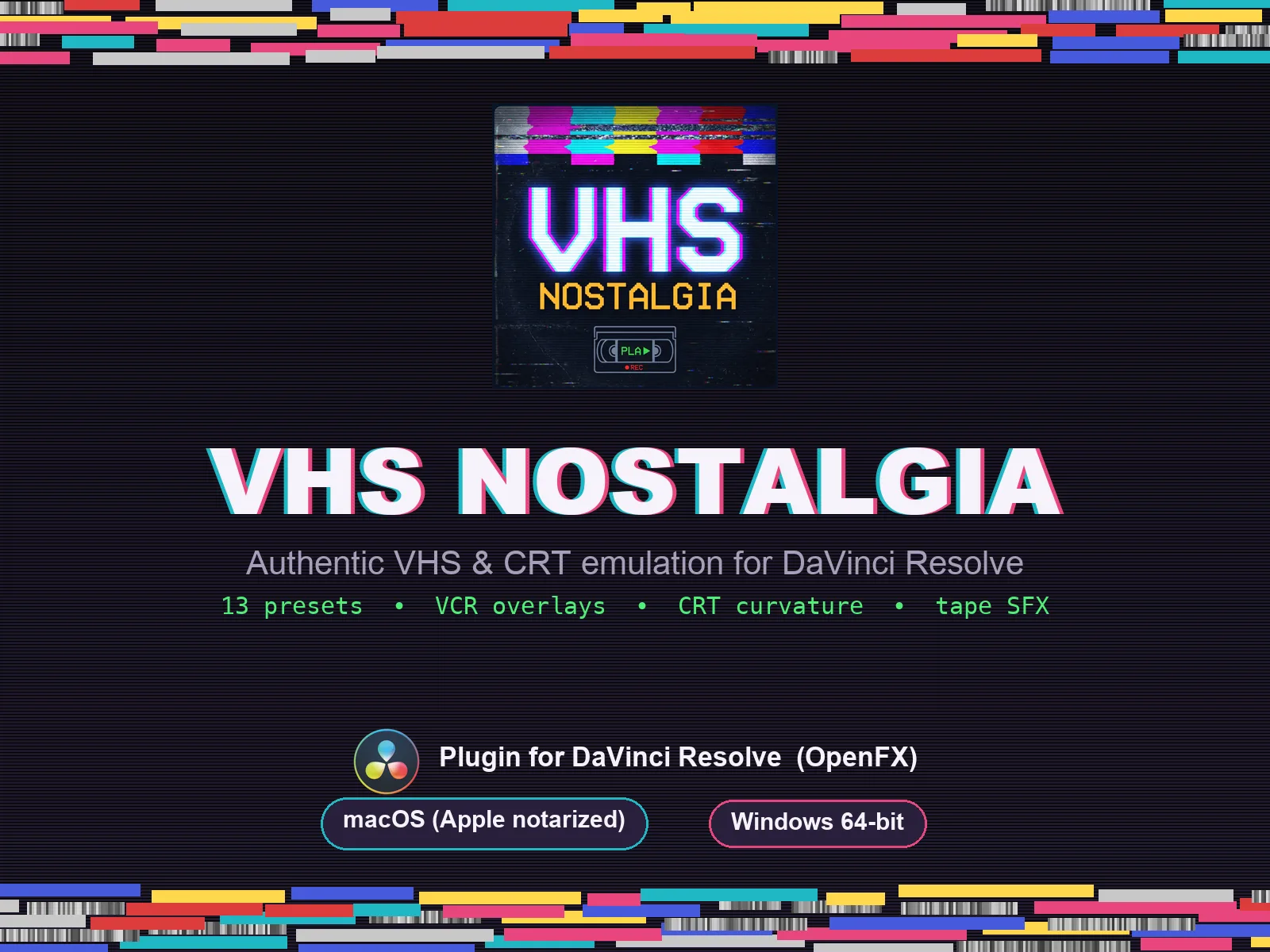
VHS Nostalgia
Real VHS & CRT emulation for DaVinci Resolve
View plugin — €39.00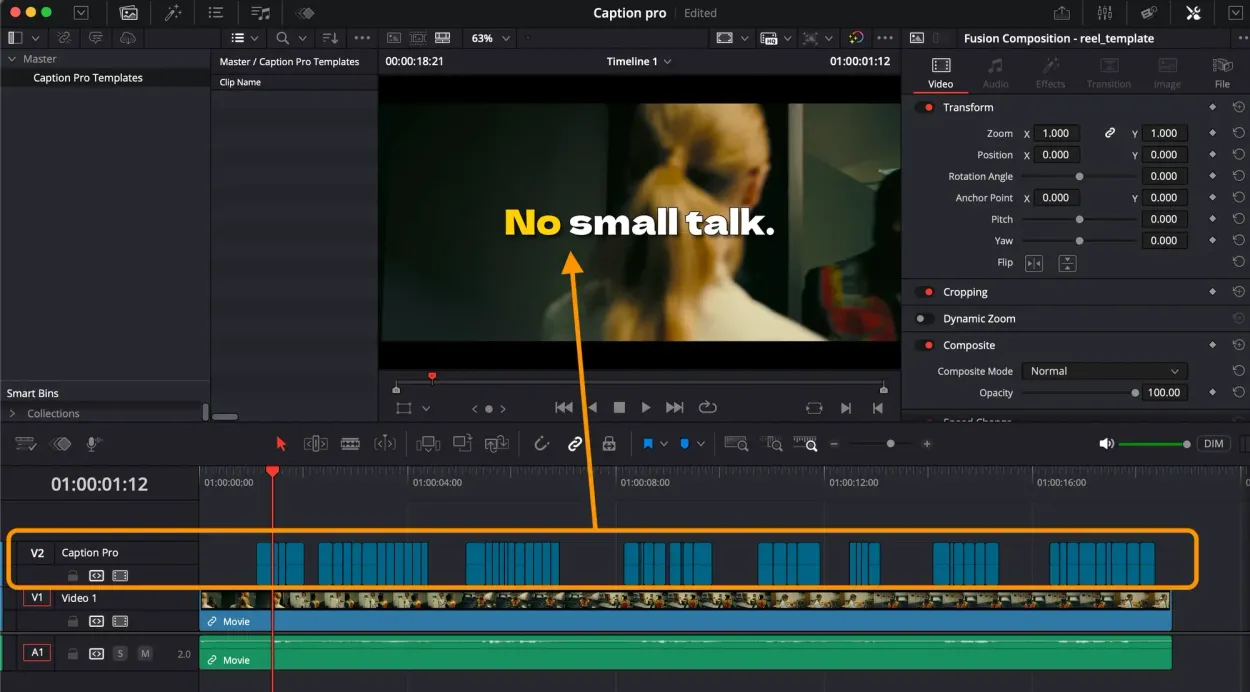
Caption Pro
Automatic word-by-word captions and translation for DaVinci Resolve
View plugin — €29.00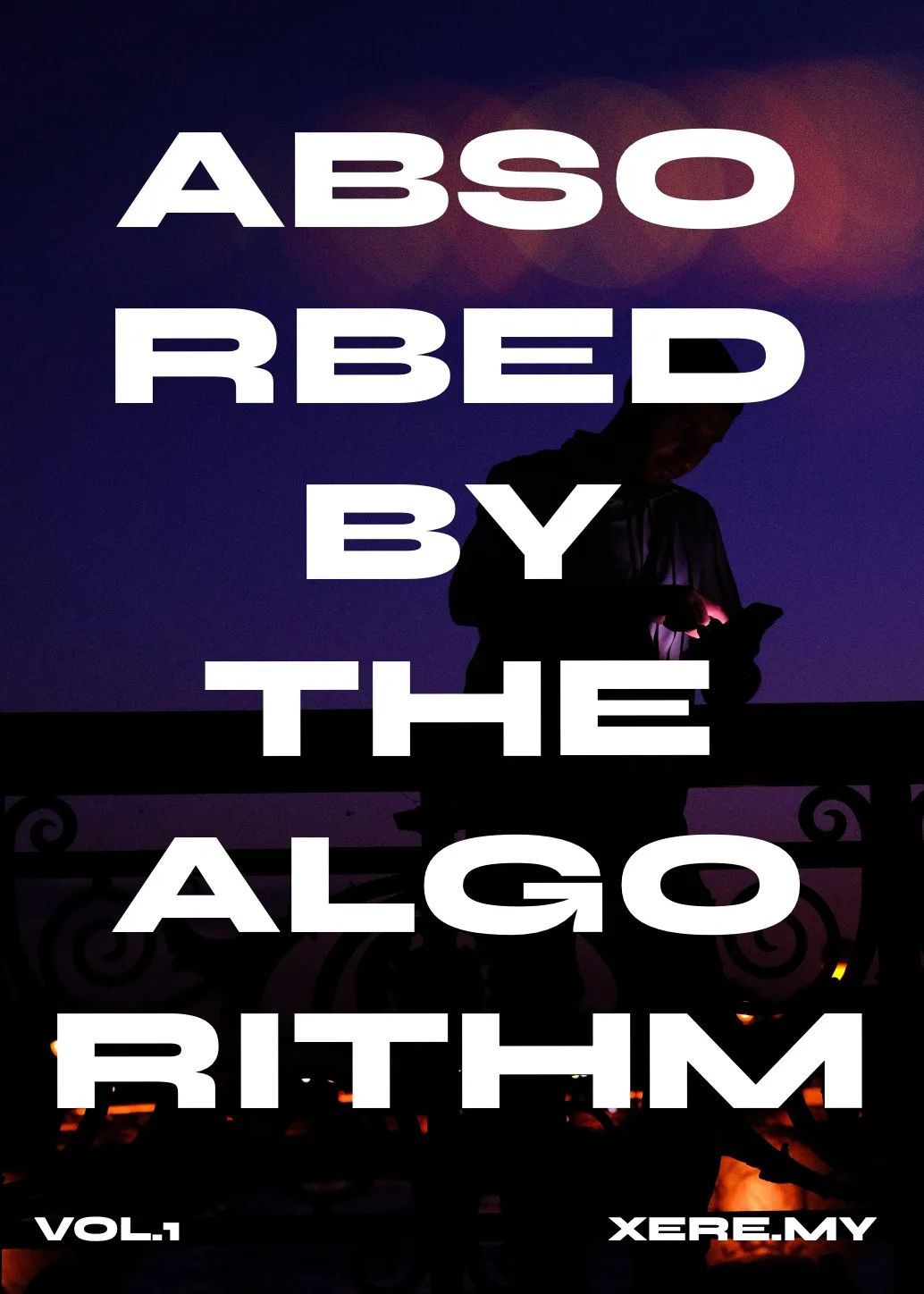
Get the zine
"Absorbed by the algorithm Vol. 1": 33 images shot in Paris, 28 pages, shipped worldwide.