How to Price and Sell Your First Photo Zine
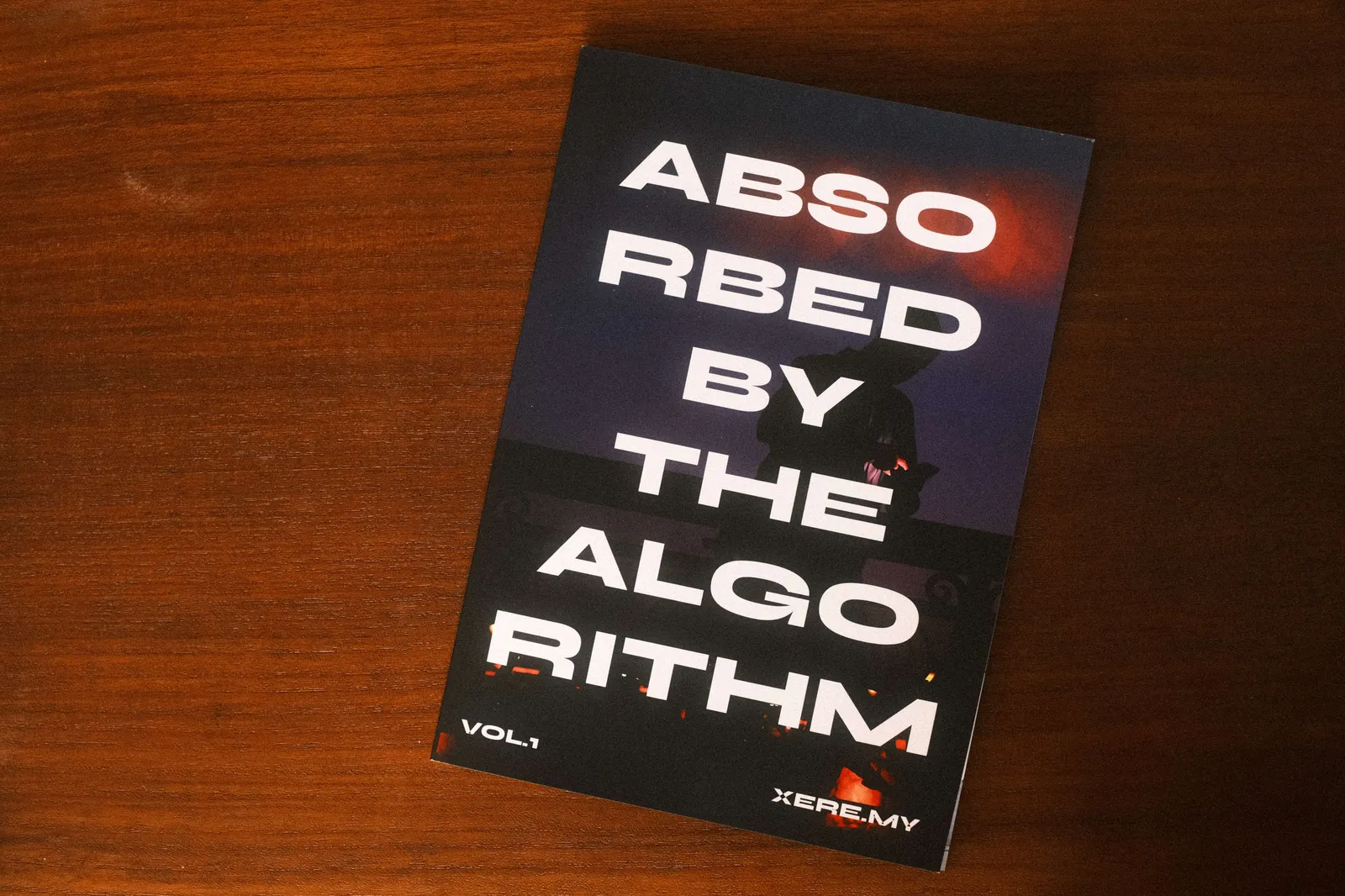
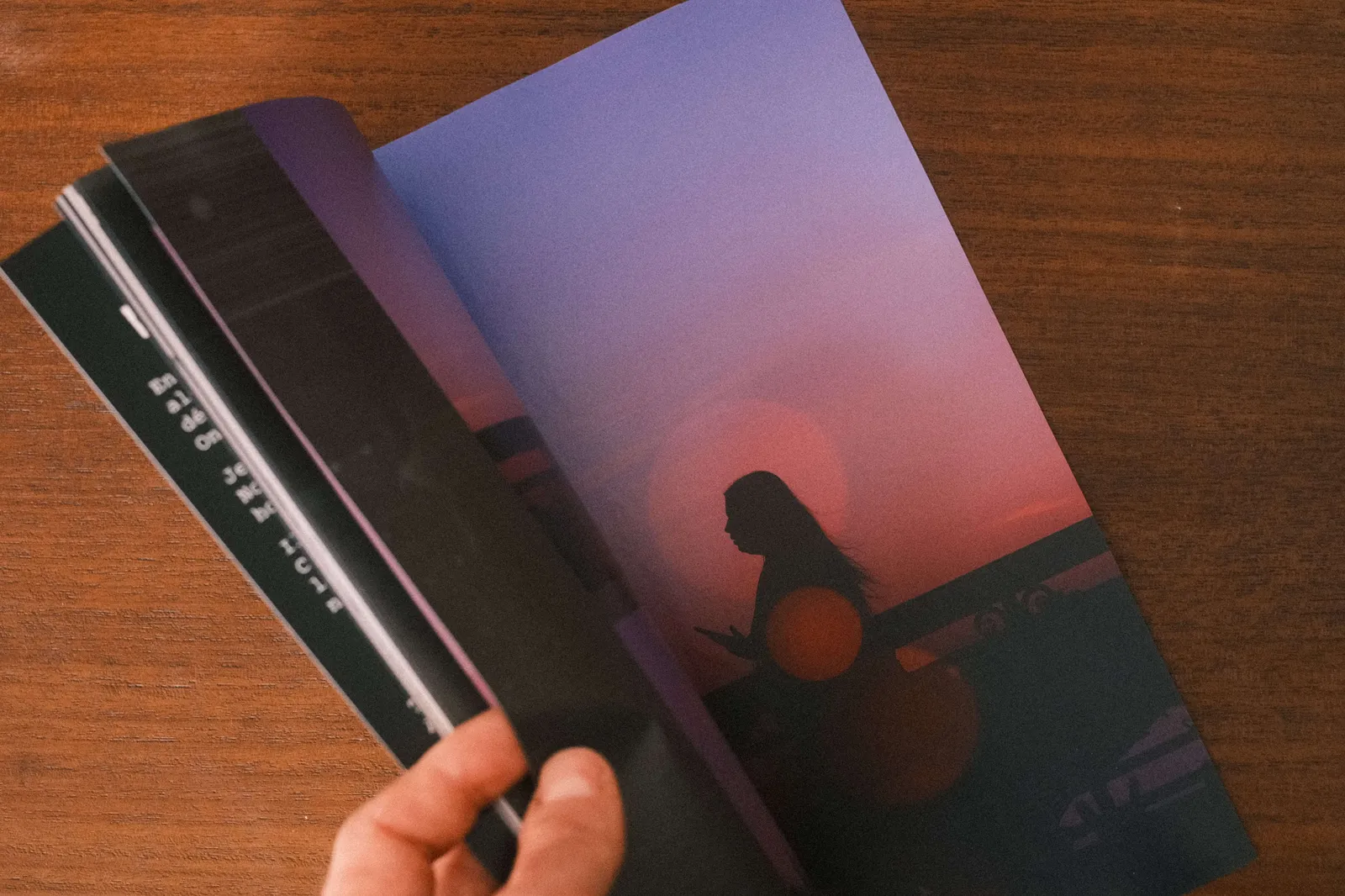
When I released my first photography zine, Absorbed by the Algorithm, I had spent weeks agonizing over sequencing, layout, and paper weights. But once the proofs arrived and looked great, a new paralyzing question hit me: How much should I actually charge for this?
Price it too high, and strangers will pass over an unproven photographer. Price it too low, and you end up paying out of pocket for the privilege of packing cardboard mailers until 2:00 AM.
Selling your first photo zine is rarely about getting rich overnight. It is about reaching real people who value your vision enough to exchange their hard-earned money for a piece of your world.
Here is a transparent breakdown of real production numbers, pricing formulas, and distribution strategies to help you launch your first publication without losing money.
1. The Real Cost Anatomy of a Photo Zine
Most first-time publishers make the mistake of looking only at their printer's unit invoice. If a booklet costs €4.50 to print, they think: "Great, I'll sell it for €8.00 and make €3.50 profit!"
In reality, they end up breaking even or losing money due to hidden friction costs:
- Base Printing Unit Cost: Whether you print on a home desktop printer (paper + ink cartridges) or order from a print-on-demand platform like Peecho or Mixam.
- Packaging Materials: Rigid stay-flat cardboard mailers (€0.80 – €1.20 each), biodegradable protective sleeves (€0.25), and backing boards to prevent bends in transit.
- Shipping & Postage: National and international tracked postage can easily range from €3.50 to €9.00 depending on weight.
- Payment Gateway Fees: Platforms like Stripe, PayPal, or Lemon Squeezy charge ~2.9% + €0.30 per transaction.
- Damaged / Lost Replacements: Always budget a 3% to 5% loss buffer for parcels mishandled by postal carriers.
2. The Practical Pricing Formula
Retail Price = (Unit Production Cost + Packaging) × 2.2 + Transaction Fee Buffer
Keep shipping transparent: always charge shipping separately at cost, rather than baking high international shipping rates into the sticker price.
Recommended Price Points by Format
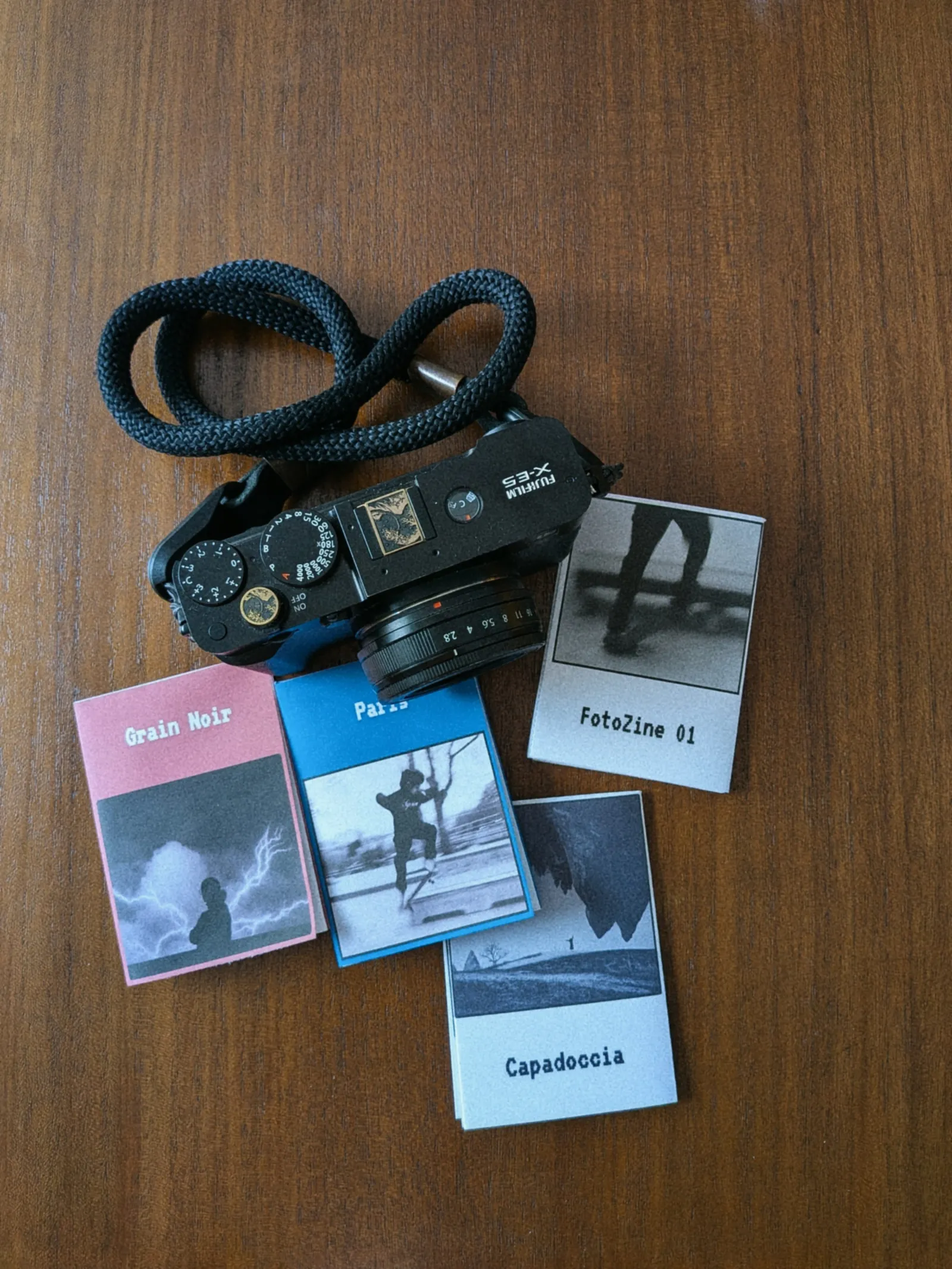
- Handmade One-Sheet A4 Mini Zines: €5.00 – €8.00 Folded from a single A4 sheet using tools like FotoZine Lab and quality 160 GSM matte paper. Production cost is under €0.80. At €5.00 to €8.00, it is an impulse buy at zine fairs, gallery popups, or as an add-on to print orders.
- Saddle-Stitched Booklets (24 – 40 pages): €12.00 – €18.00 The standard price point for independent photography zines printed in batches of 50 to 100 copies. It feels accessible to supporters while leaving €6.00 to €9.00 per copy to reinvest into future projects.
- Perfect-Bound Books or Deluxe Editions: €22.00 – €35.00 Spined books with heavy 240+ GSM covers, often numbered and packaged with an authentic 4x6 photo print or postcard.
[!TIP] If you want to start with zero financial risk before ordering an expensive print run, start by creating a pocket 8-page edition. Follow our one-sheet zine tutorial and assemble a limited run of 10 copies at home.
3. Where and How to Sell Your Work
A. Your Personal Website / Portfolio
Third-party marketplaces take hefty commissions (Etsy takes up to 12% in total fees and ad charges). Selling directly from your own website (as I do in my Zines Catalog) builds direct relationships with your readers and keeps your branding clean.
B. Independent Bookshops and Zine Fairs
Local independent bookshops, photo galleries, and community zine fairs are goldmines for documentary photographers:
- Consignment Deals: Most indie bookshops operate on a 60/40 or 70/30 consignment split (you keep 60-70% of the sale price).
- Zine Fairs: Table fees are typically modest (€20 – €50), and attendees specifically come with cash in hand to discover new self-published art.
C. Direct Community (Substack & Socials)
Do not just announce: "My zine is on sale." Share the journey: the stories behind the photos, the discarded cover variations, the folding process, and the reason this theme matters to you. People buy the artist's perspective as much as the physical object.
4. How to Elevate Perceived Value
Small, thoughtful touches transform a simple printed booklet into a collector's piece:
- Numbered Limited Editions: Stamp or hand-write "Edition of 50 — #12" on the back cover. Scarcity creates urgency and respect.
- Handwritten Thank-You Notes: A quick personalized message on a branded card turns a casual buyer into a lifelong follower.
- Include a Physical Print: Slip a small 4x6 print inside the front cover. It rewards early collectors and creates an exciting unboxing experience.
Final Thoughts: Put It Out into the World
The first zine you print will not be perfect. The colors might vary slightly from your calibrated display, or the trim might be a millimeter off. Publish it anyway.
The satisfaction of holding your photographic story in your hands, sending it to someone in another country, and seeing it live on their bookshelf is unmatched in digital photography.
To get started right away without expensive layout software, try FotoZine Lab to lay out your first project today.
Help me keep writing
If these articles are useful to you, have a look at what I make.
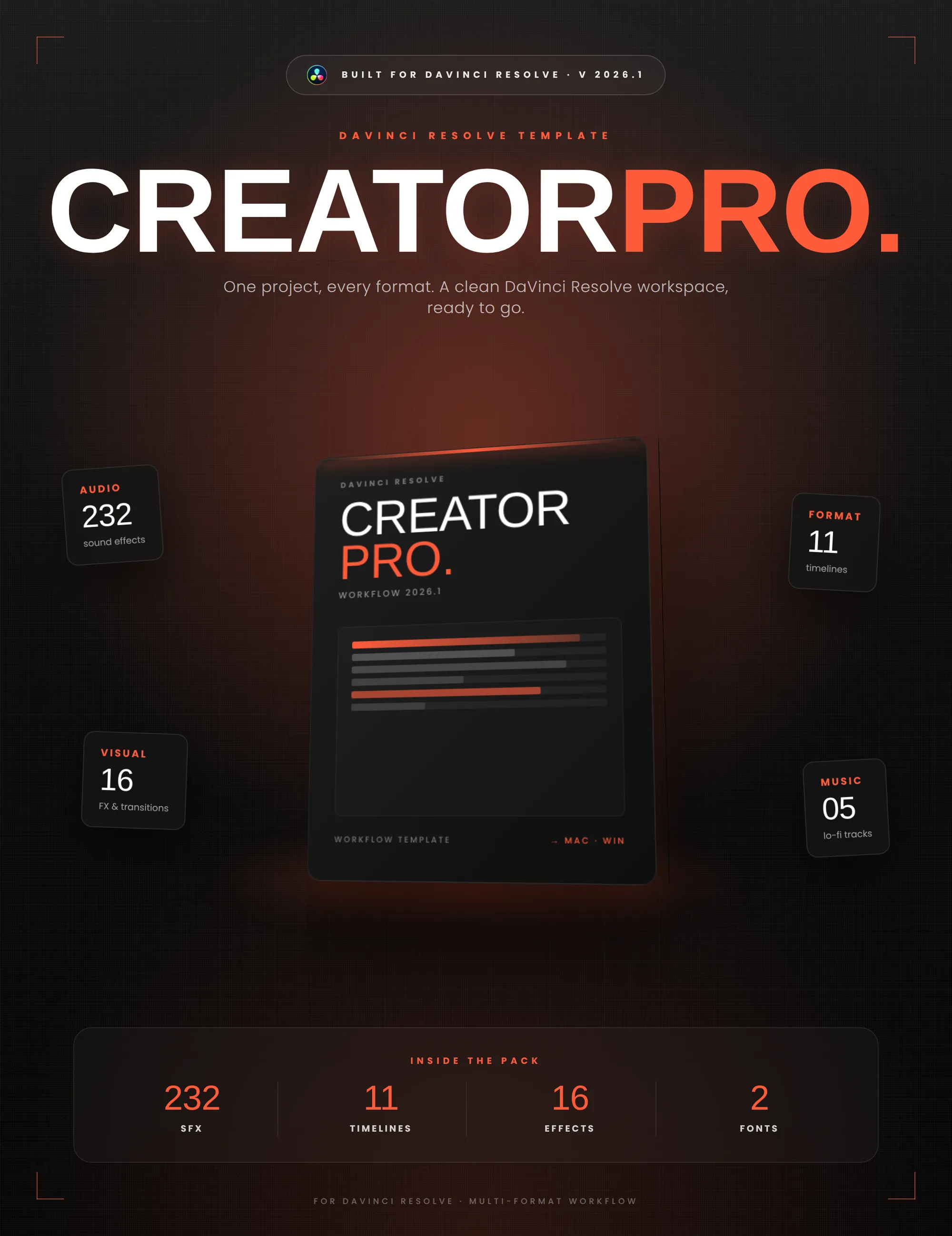
Creator Pro
The ultimate DaVinci Resolve workspace for creators
View plugin — €29.00
VHS Nostalgia
Real VHS & CRT emulation for DaVinci Resolve
View plugin — €39.00
Caption Pro
Automatic word-by-word captions and translation for DaVinci Resolve
View plugin — €29.00
Get the zine
"Absorbed by the algorithm Vol. 1": 33 images shot in Paris, 28 pages, shipped worldwide.