First Impressions: Fujifilm X-E5 with XF 23mm f/2.8 R WR
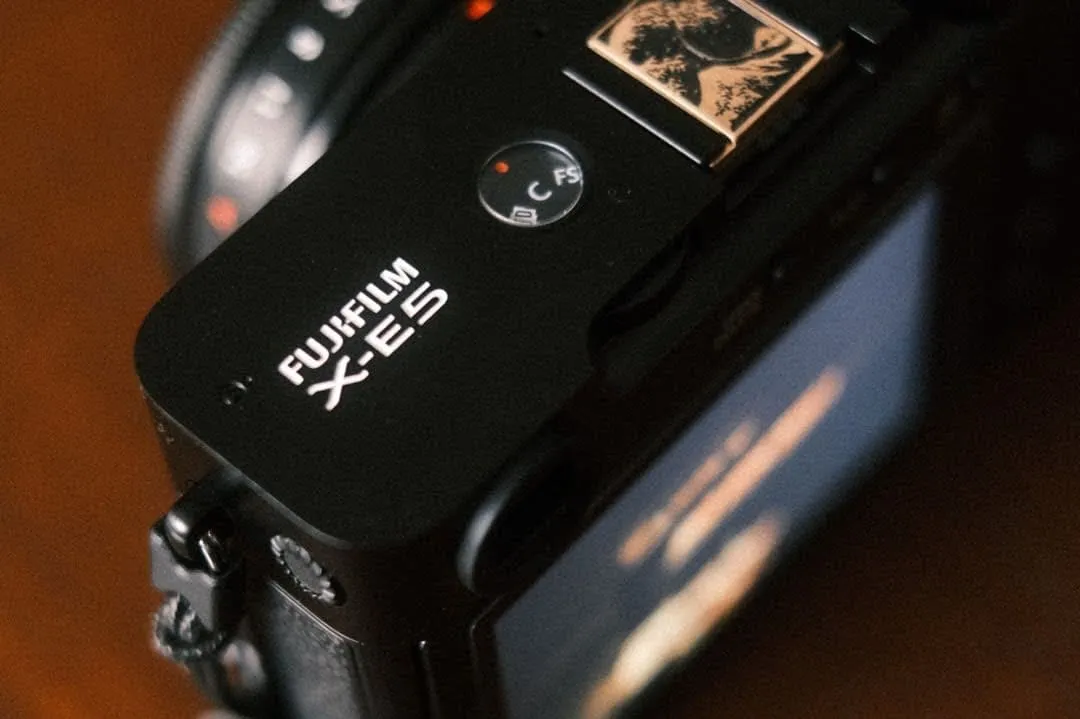
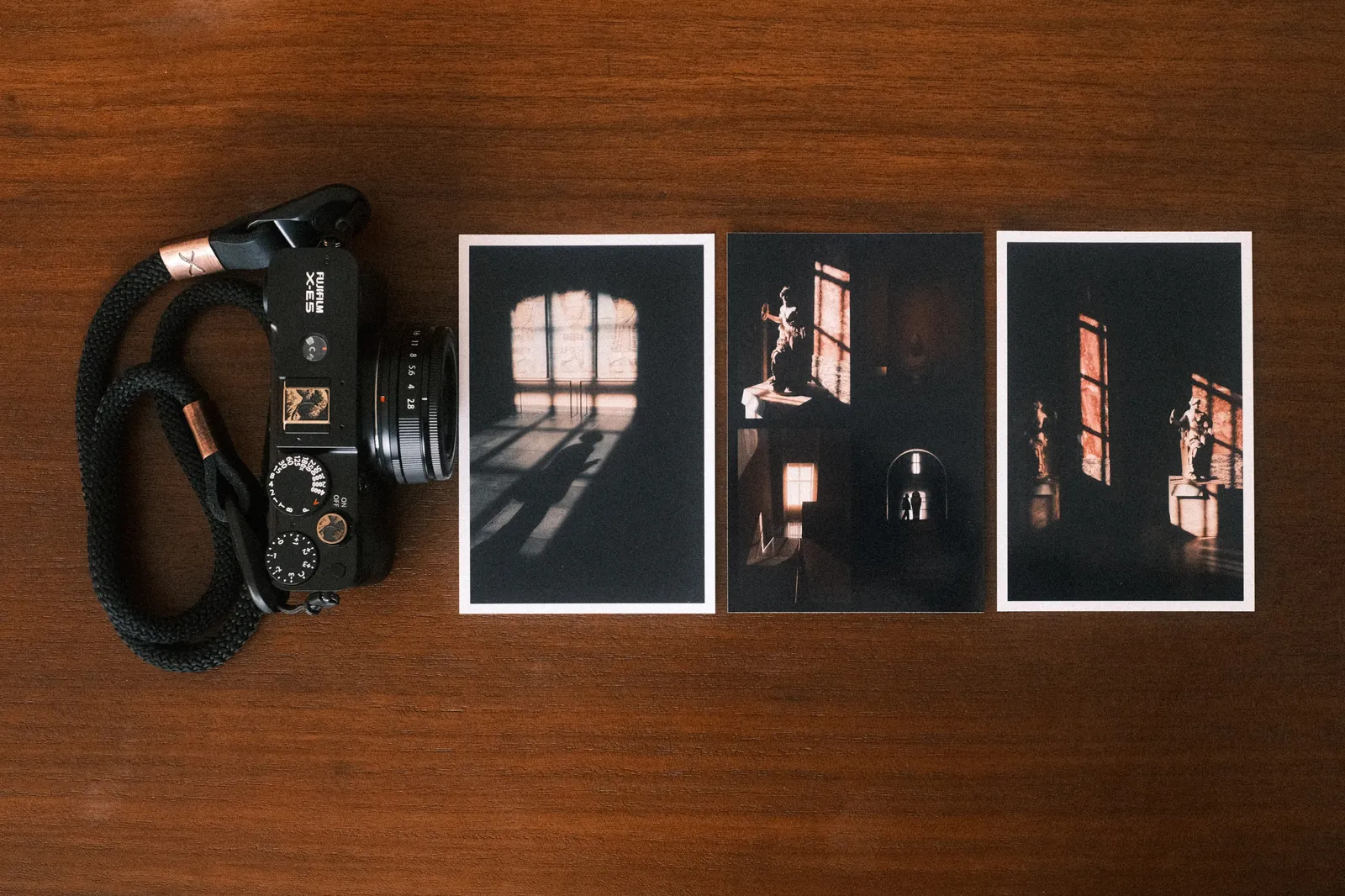
I recently spent a few days in Paris with the Fujifilm X-E5 and the new XF 23mm f/2.8 pancake lens. One day at The Louvre, and one day at Musée Carnavalet. I wanted to see how this compact setup handles shooting in real conditions.
I always say gear doesn't matter, and I believe it. A 10-year-old camera can produce beautiful work. What matters is being curious enough to keep experimenting.
But sometimes new gear is just... fun. Like a climber with new carabiners. Not always reasonable, but part of the hobby.
I've loved the rangefinder style since my X-E1. The X-E5 felt like a natural next step.
These are my first impressions after a few days of shooting with the X-E5.
Design and build
The X-E5 is a beautiful camera.
The machined aluminum top plate feels premium. The body is compact, 121.3 x 72.9 x 43.1mm, weighing just 375g without a lens. It's smaller than my X-T30 II.
Paired with the new 23mm f/2.8 pancake lens, the whole setup is remarkably portable.
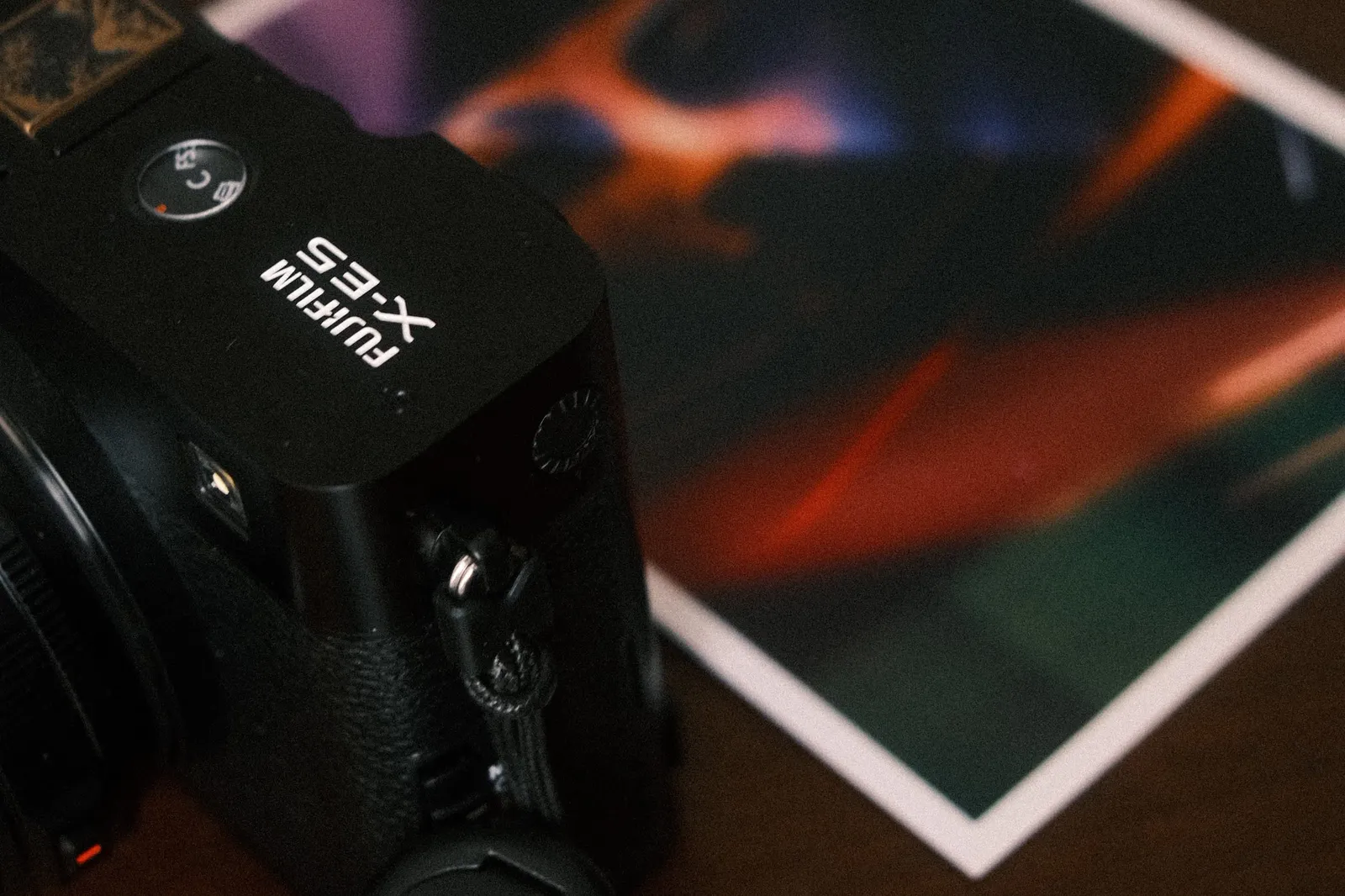
The build quality feels solid, though there's one concern worth mentioning. Fujifilm issued a notice in November 2025 about potential fragility in the strap eyelets on some units, affecting less than 0.1% of cameras, with free repairs offered. I've been careful with mine and haven't had issues so far, but it's something to keep in mind.
The focus mode switch is a bit loose. I found myself accidentally switching between manual and continuous a few times. Never had that issue with the X-T30 II.
The features I actually use
The X-E5 keeps what I love about Fujifilm cameras and adds a few refinements.
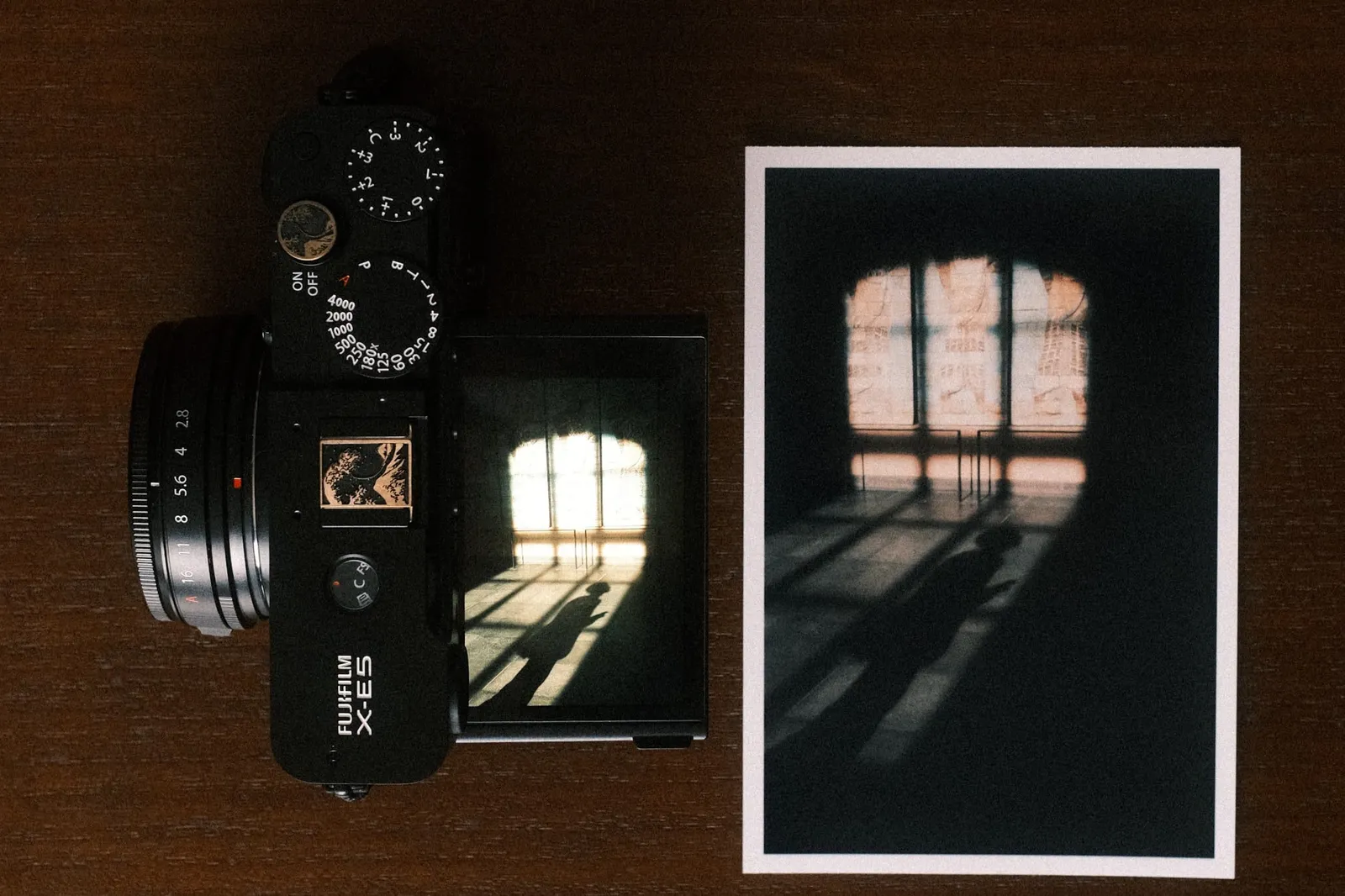
Film Simulation dial. There's now a dedicated dial on top for switching simulations. Honestly, I keep it on "C" mode most of the time and use custom recipes. But it's nice to have direct access when experimenting.
Custom recipes. Beyond the 7 slots in the Q menu, you can save additional recipes as FS1, FS2, FS3. I registered my black and white recipe "Grain Noir", my Velvet Dream recipe, and one or two Classic Negative film recipes. In practice, these are the 3-4 that I use regularly. That means, I don't need all those slots.
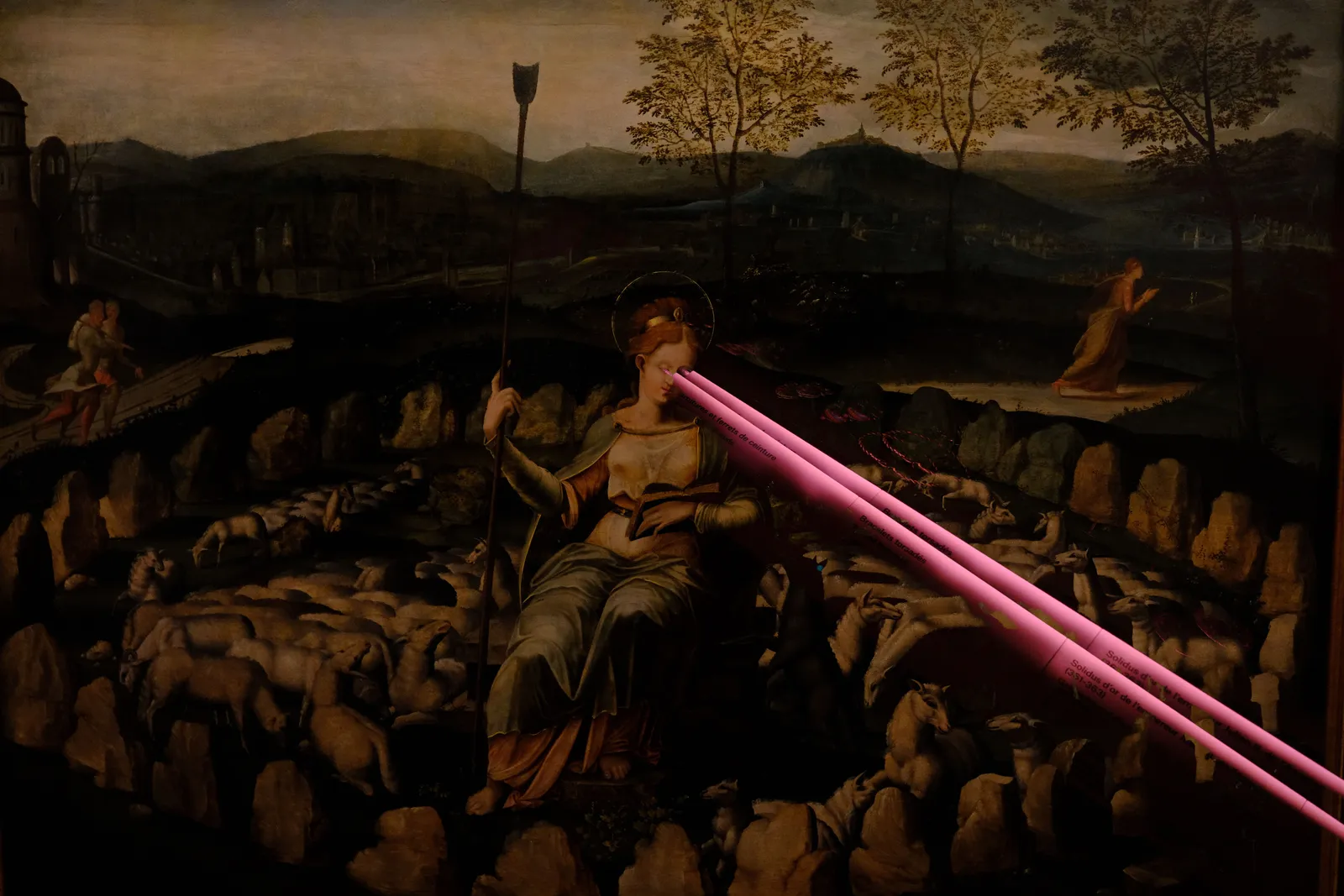
Multiple exposure. Still here, still reliable. I played with it during my outing, layering architectural details. Same creative tool I loved from Fuji.
Viewfinder. The rangefinder-style EVF is pleasant for composing, especially in variable museum lighting. The flip screen is simple, some reviewers call it less premium than competitors, but it works fine for my needs.
IBIS. Up to 7 stops of stabilization. This is the big upgrade from the X-T30 II. I think it will be useful for some handheld video footage.
Performance
A few notes on how the camera handles in practice.
Startup. There's a slight lag, about a second to power on and display the image. It's slower than my X-T30 II. Not a dealbreaker, but I hope a firmware update improves this.
Autofocus. Snappy and quiet with the 23mm lens. It handled various shots in the Louvre's crowded halls without issue. Face detection worked reliably.
Battery life. This drains faster than I expected. I'm already used to carrying extra batteries all the time, but this seemed to run out faster than with the X-T30II. This seems common with 40-megapixel Fuji bodies.
Lens performance. The 23mm f/2.8 is sharp. I'm not one for precise technical tests, but for a pancake lens, the quality impressed me.
Image quality
The 40-megapixel sensor captures remarkable detail. Colors are rich and natural, Fujifilm's color science at its best. Dynamic range handles tricky museum lighting well, preserving highlights and shadows without much effort.
The 23mm lens surprised me. I expected to switch back to my beloved 35mm f/1.4 after a few hours. But the compactness and sharpness of the pancake kept it mounted all day.
Low-light performance was solid.
Some of the images from these two days will go straight into my portfolio.
Two days in Paris: the Louvre and Musée Carnavalet
I spent two days testing the X-E5 in Paris, one at the Louvre, the other at the Musée Carnavalet.
The Louvre needs no introduction. Masterpieces around every corner. The challenge there is finding space to breathe and compose. But I love the environment, the light coming through the big windows, hitting the limestone walls, and the majestic shadows everywhere.
The Musée Carnavalet is less known, but worth discovering. It's a free museum dedicated to the history of Paris, housed in two beautiful mansions. The rooms are quieter, more intimate, carrying centuries of Parisian life. It's the kind of place where you can slow down and really look.
There, I had time to explore some multiple exposures, layering textures to create the "timeline shifting series" (or laser eyes series).
Pros and cons
Pros
- Compact, elegant body
- Excellent image quality from the 40MP sensor
- Sharp, lightweight 23mm pancake lens
- Film simulations and custom recipes work beautifully
Cons
- Strap eyelet fragility (Fujifilm-acknowledged issue)
- Slower startup than previous models
- Battery drains faster
- Focus mode switch moves too easily
- Lack of internal flash
Overall, the pros outweigh the cons for my kind of photography. Most quirks are minor. The strap eyelet issue is a different category, though. A camera that falls because of a faulty eyelet is a real problem, and it's worth weighing before you buy.
Conclusion
After two full days of shooting, my first impression is positive.
The X-E5 delivers Fujifilm's best features in a compact, rangefinder-style body. Paired with the 23mm f/2.8, it's a setup I can carry anywhere without compromise on image quality.
It's not perfect. The startup lag, the battery life, and that loose focus switch all bother me, and the strap eyelet issue is worth monitoring.
But when I look at the images (all SOOC Jpeg) from my Paris outing, the detail, the colors, the feeling they capture. I'm reminded why I love this system.
The X-E5 is a compelling choice, but it's not the only one in Fujifilm's lineup. The X-T5 offers the same sensor and image quality with better build quality and weather sealing. The X-T50 is worth considering too, with its built-in flash. For hobbyists on a budget, the X-T30 II remains my top recommendation, excellent value and proven reliability. And if you want the latest, the X-T30 III just came out. Plenty of options depending on your priorities.
Help me keep writing
If these articles are useful to you, have a look at what I make.
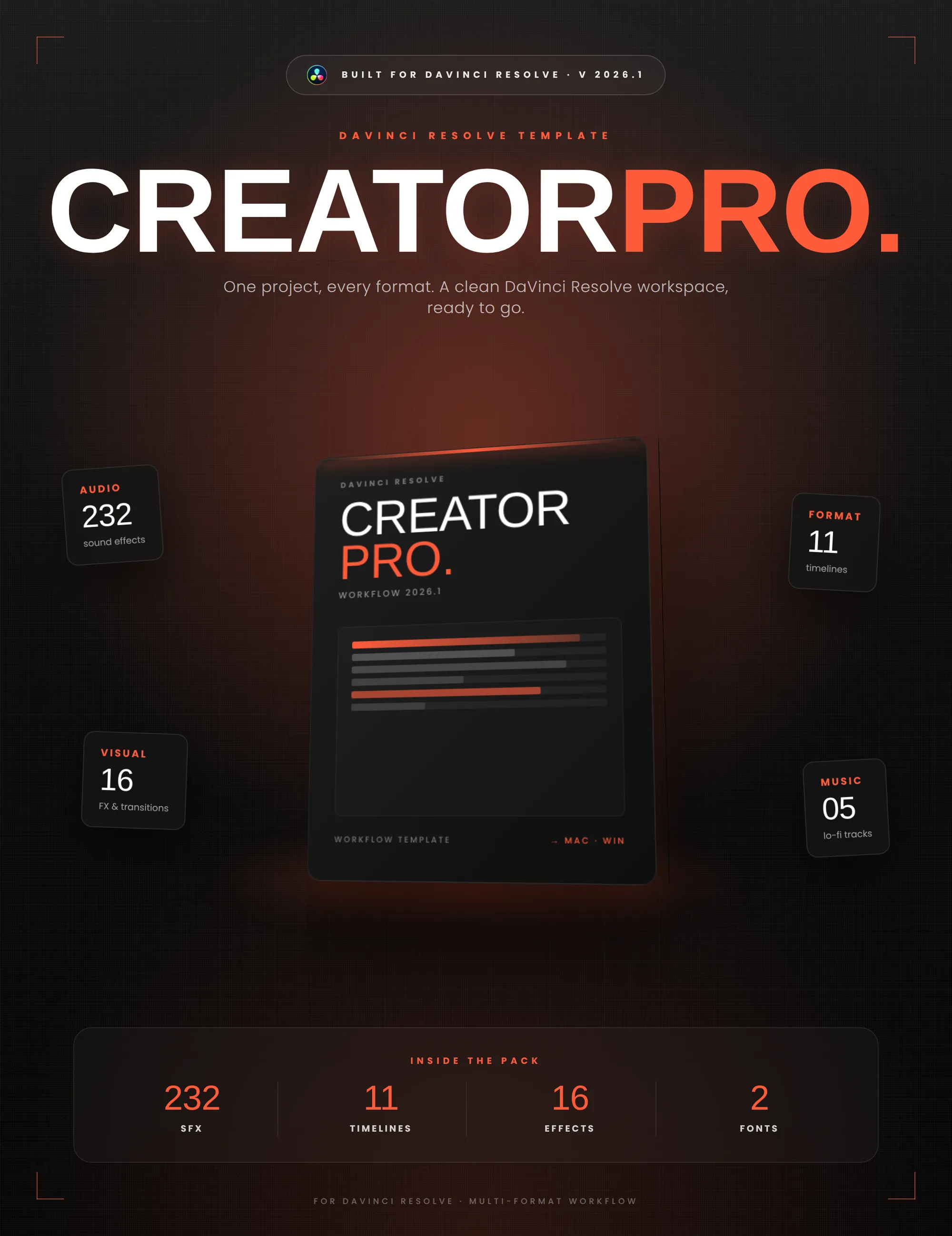
Creator Pro
The ultimate DaVinci Resolve workspace for creators
View plugin — €29.00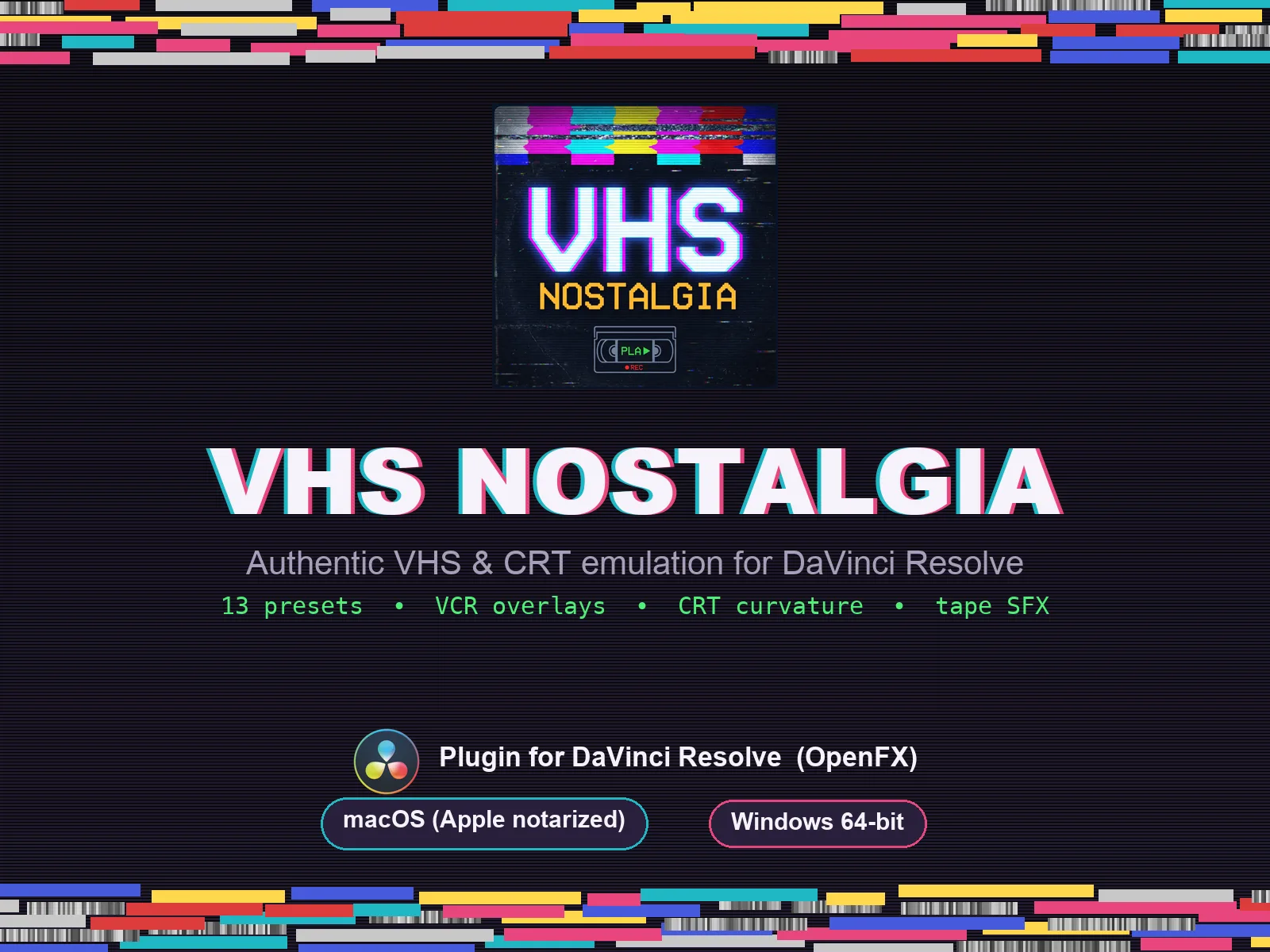
VHS Nostalgia
Real VHS & CRT emulation for DaVinci Resolve
View plugin — €39.00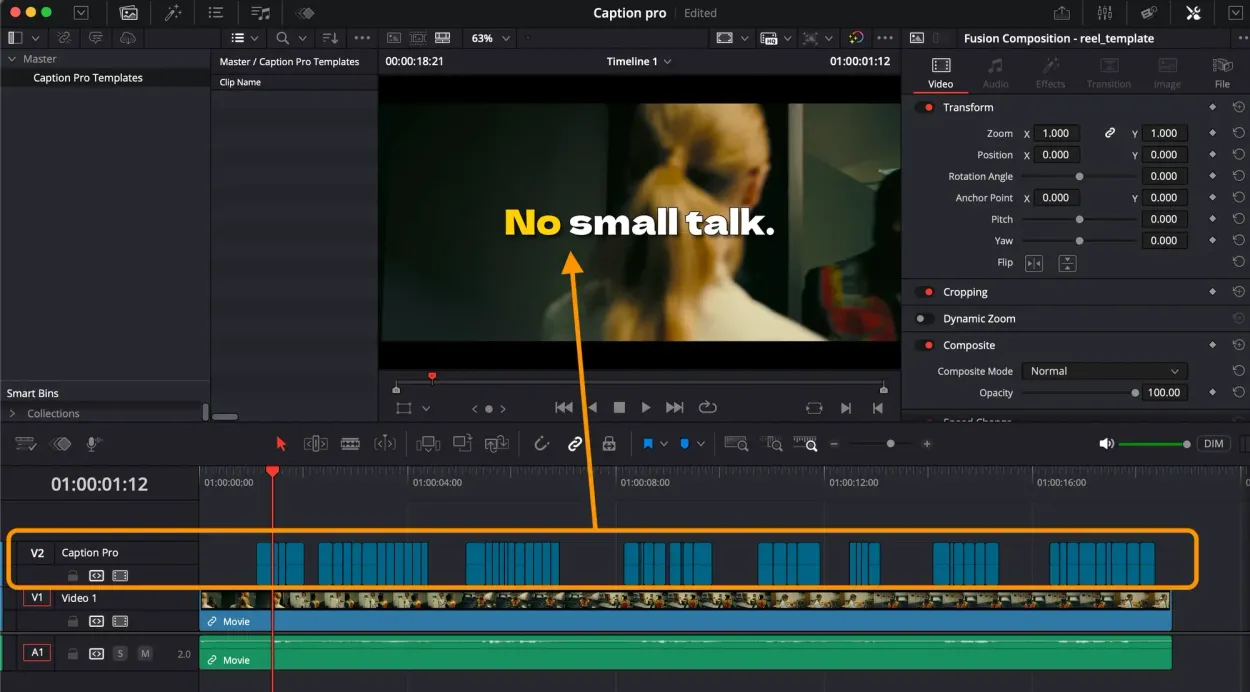
Caption Pro
Automatic word-by-word captions and translation for DaVinci Resolve
View plugin — €29.00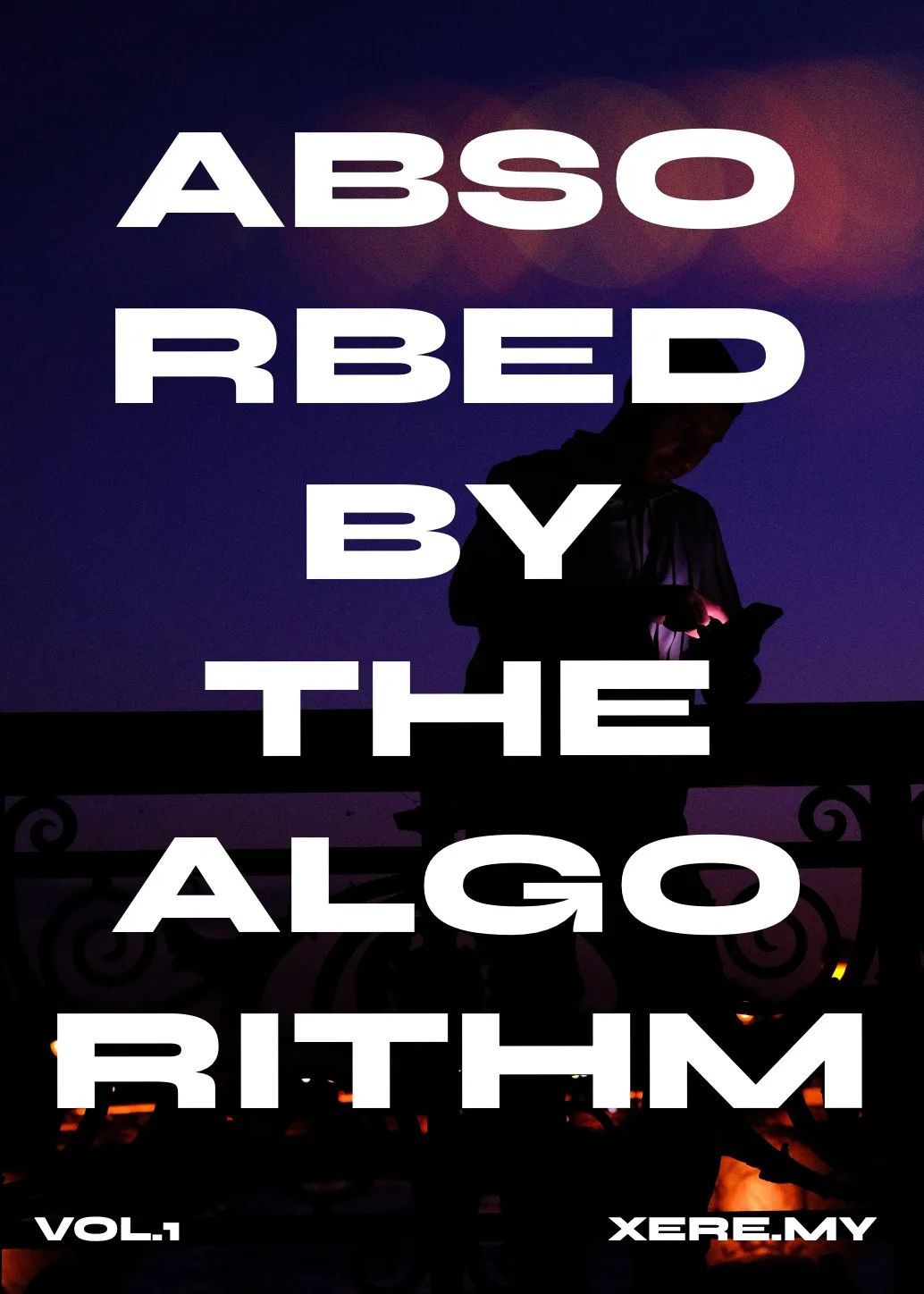
Get the zine
"Absorbed by the algorithm Vol. 1": 33 images shot in Paris, 28 pages, shipped worldwide.